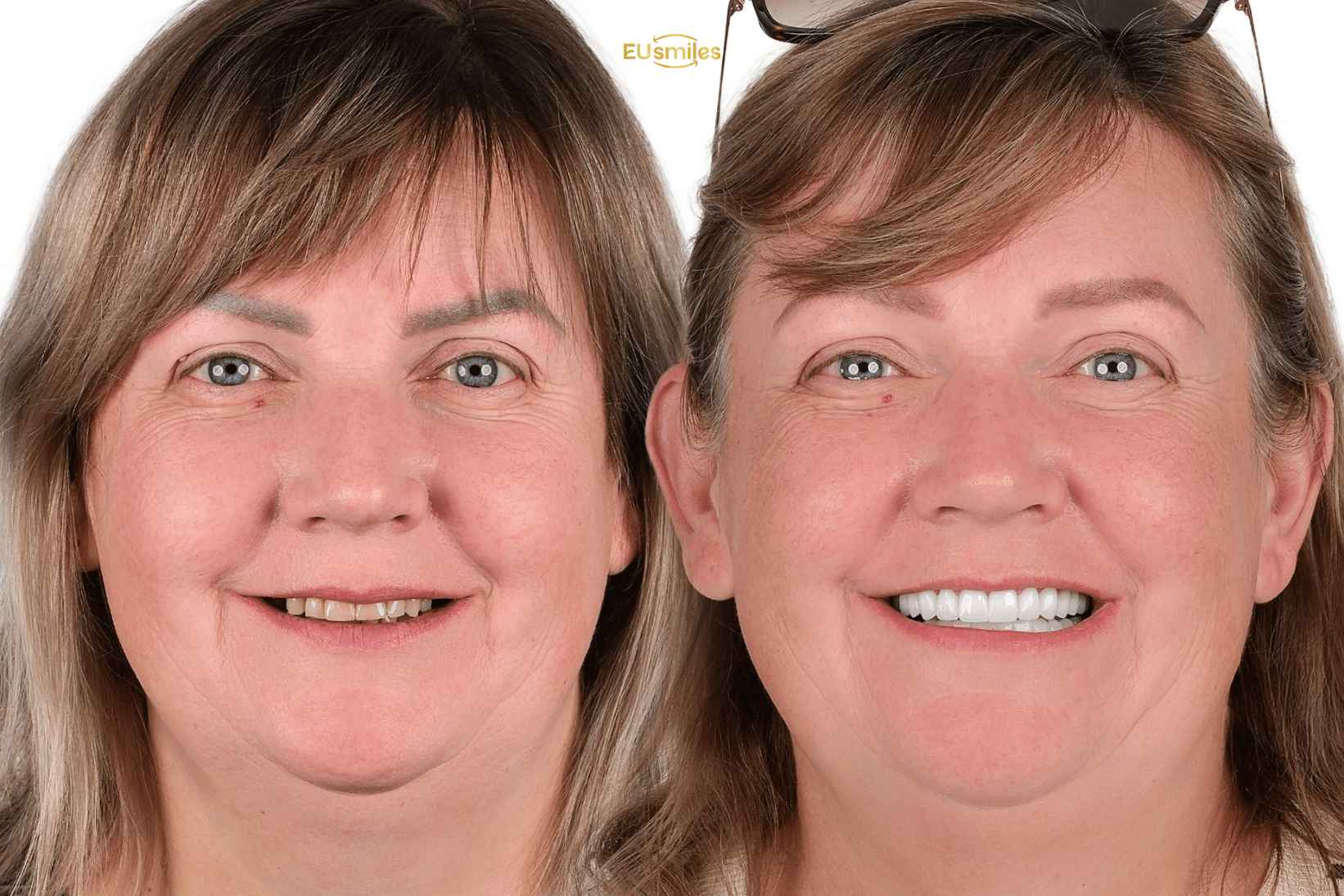
Discover full smile makeover Turkey recovery time for dental implants, veneers & cosmetic procedures. Complete healing timeline & expert tips. Book today!

Full Smile Makeover Turkey Recovery Time and Healing Guide
Considering a complete dental transformation abroad? Understanding full smile makeover Turkey recovery time is crucial before booking your flight. Many patients underestimate the healing phases involved in cosmetic dentistry procedures, from dental implants to teeth whitening, leading to unrealistic expectations and scheduling conflicts.Recovery timelines vary significantly based on treatment complexity and individual healing rates. This guide breaks down each recovery stage—from immediate post-procedure care to complete osseointegration—providing evidence-based timelines and practical strategies to optimize your healing journey while minimizing discomfort.
⚠️ Important Notice: This content is for informational purposes only and is not a substitute for professional medical advice, diagnosis, or treatment. Always consult a healthcare professional for any health concerns.
What Happens During the Initial 24 to 72 Hours After Your Smile Makeover
The initial 72 hours after your cosmetic dentistry procedure determine the foundation for your recovery trajectory. Your body immediately begins repairing treated tissues. Blood clotting mechanisms activate. Anti-inflammatory responses engage. Understanding these biological processes helps you navigate discomfort with confidence.Physical Sensations During the First 24 Hours
Numbness from local anesthesia typically subsides within 4-6 hours post-procedure. Expect mild throbbing as sensation returns. Your gums may appear swollen or feel tender to touch. Research from the American Academy of Cosmetic Dentistry indicates that 85% of patients experience manageable discomfort levels during this period. Cold compresses applied externally reduce inflammation effectively.What the Second and Third Days Bring
Swelling peaks around 48 hours after your smile transformation at EUsmiles. This represents normal inflammatory response. Your aesthetic dentistry work begins integrating with surrounding tissue. You might notice bruising or sensitivity when consuming temperature-variable foods. According to dental recovery protocols, these symptoms progressively diminish as your healing advances into week two.Managing Anesthesia Effects and Initial Post Procedure Sensations
Navigating Immediate Post Procedural Effects
Anesthesia effects typically persist for four to six hours following your smile makeover procedure. During this period, your lips, tongue, and surrounding oral tissues remain numb, compromising your sensory perception. Refrain from consuming food or hot beverages until sensation fully returns. Accidental biting of numb tissues or thermal injuries from hot liquids represent common complications that proper precautions easily prevent.Understanding Normal Swelling and Discomfort Management
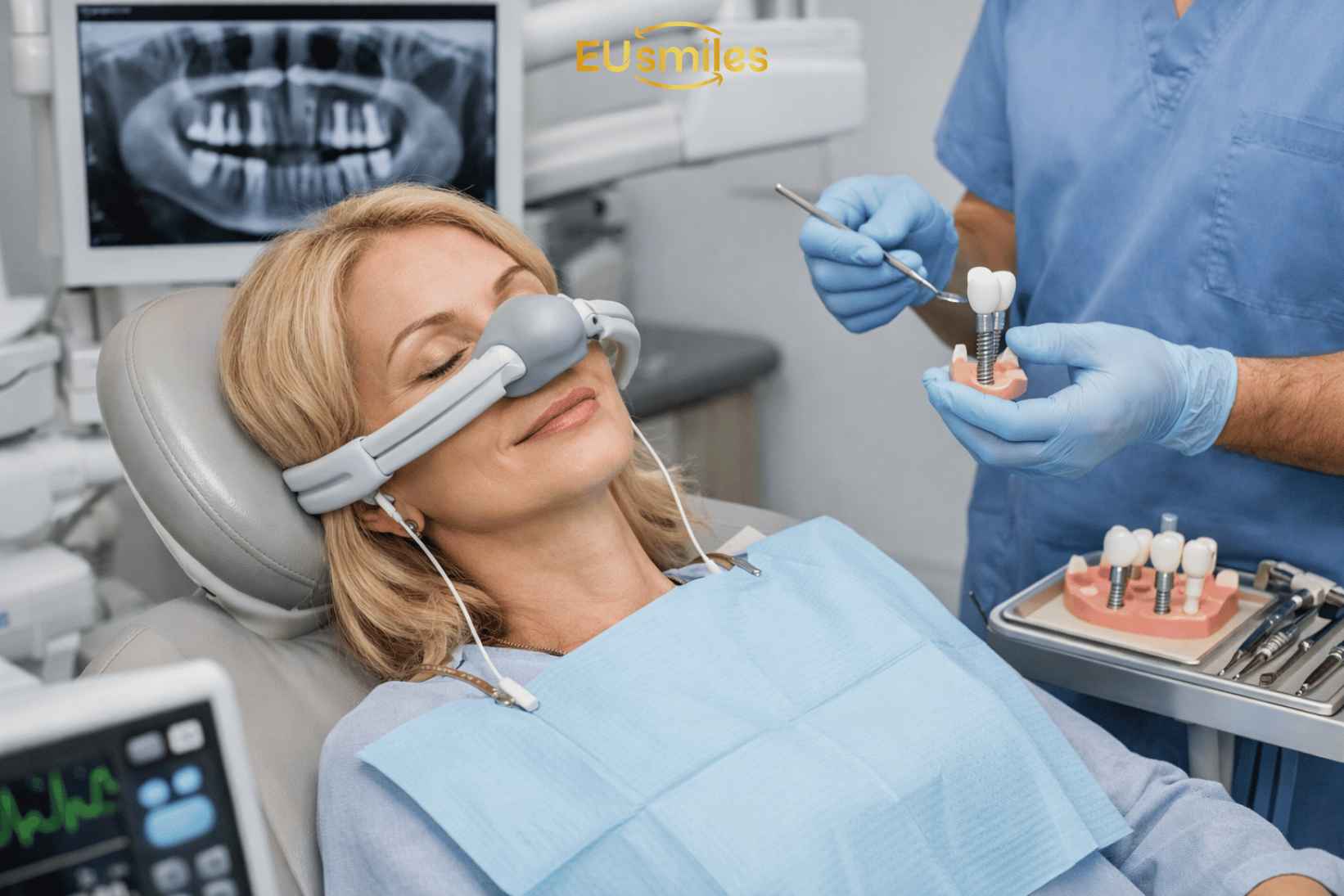
Mild to moderate swelling around treatment sites constitutes a normal physiological response. Swelling generally peaks within forty-eight hours, then gradually subsides over subsequent days. Your dental team will supply ice packs for external application and prescribe anti-inflammatory medications to minimize discomfort. Most patients describe sensations as pressure or tenderness rather than acute pain.Temporary Protection with Provisional Restorations
Provisional restorations safeguard your prepared teeth while laboratories craft your permanent eMax laminate veneers. These temporary fixtures maintain aesthetics and protect sensitive tooth structures during the fabrication period. Adherence to post-operative instructions—including medication schedules and dietary restrictions—ensures optimal healing and successful outcomes.How Long Does Complete Healing Take for Different Smile Makeover Components
Recovery expectations differ substantially based on your specific treatment combination. Dental implants require the longest healing period—typically three to six months for complete osseointegration—while procedures like teeth whitening allow immediate return to normal activities. Understanding each component’s timeline enables realistic planning for work commitments and social events.[Image of the dental implant osseointegration process]Porcelain Veneers Recovery Timeline
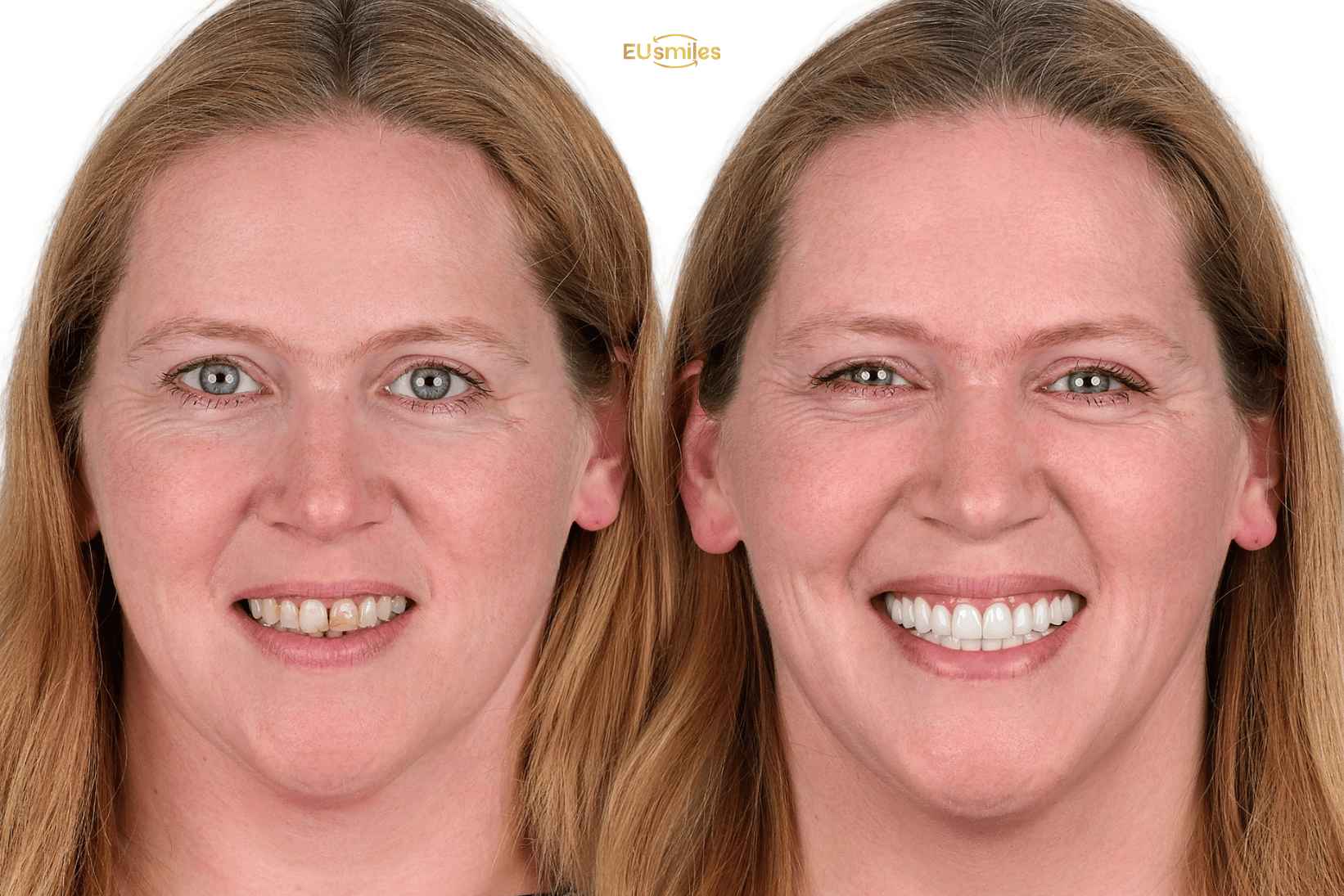
Veneer placement involves minimal downtime. Most patients experience slight sensitivity for seven to ten days following tooth preparation. Our experience shows that avoiding extremely hot or cold foods during this initial week significantly reduces discomfort. You can resume professional activities within 24-48 hours, though final results become visible once any minor gum inflammation subsides completely.Dental Crown Healing Expectations
Crown procedures typically heal within two weeks. Temporary crowns require careful eating habits—avoiding sticky or hard foods protects the restoration. Permanent crown placement causes minimal disruption. Brief sensitivity near the gumline resolves naturally as tissues adapt to the new restoration contour, usually within five to seven days.Timeline Breakdown for Veneers, Crowns, and Implant Integration
Understanding the healing timeline for each component of your smile transformation allows you to plan effectively and set realistic expectations. Different procedures have distinct recovery patterns based on their biological requirements and technical complexity. While some treatments deliver immediate results with minimal adjustment periods, others require patience as your body completes essential healing processes. Research indicates that proper timeline awareness significantly reduces patient anxiety and improves treatment satisfaction rates.- Veneers and Emax Crowns: These restorations require minimal recovery time, with most patients adjusting within three to seven days. You may experience slight sensitivity to hot or cold temperatures initially, but this typically subsides within two weeks as your teeth adapt to the new restorations. The bonding process creates a stable, permanent result that feels natural almost immediately.
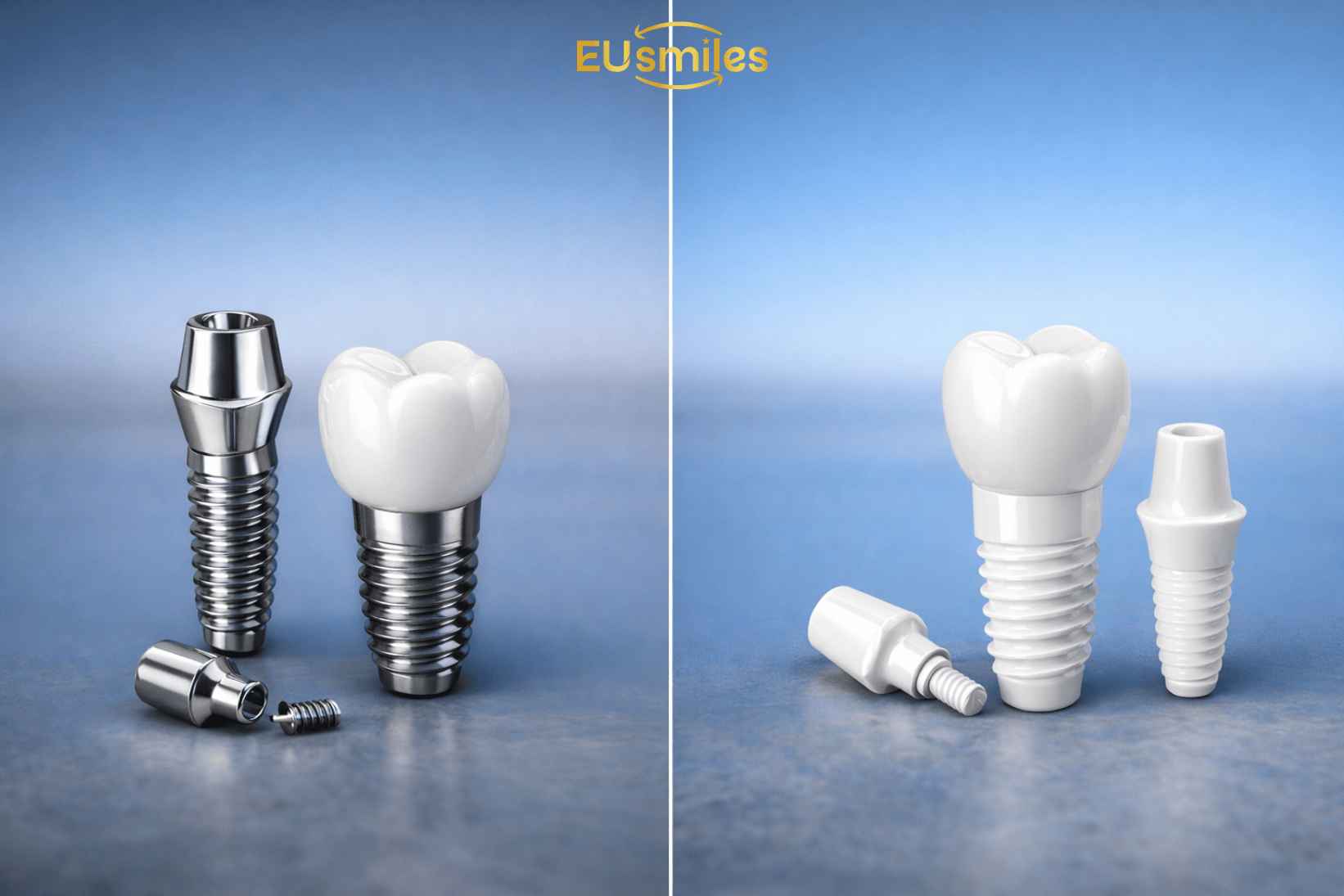
- Dental Implant Osseointegration: Dental implants follow an extended timeline due to osseointegration, the biological process where the titanium post fuses with your jawbone. This critical integration phase takes approximately three to six months. During this period, temporary restorations maintain your aesthetics and function while the bone tissue grows around the implant surface, creating a foundation as strong as natural tooth roots.
- Zirconia Crowns on Implants: After successful osseointegration, zirconia crowns require an additional one to two weeks for final bite adjustment and gum tissue adaptation. Your dentist will monitor contact points and occlusion to ensure optimal comfort and longevity.
- Gum Contouring Recovery: Gum contouring procedures heal within ten to fourteen days, with complete tissue remodeling occurring over six weeks. Initial swelling resolves quickly, revealing your refined gum line and improved tooth proportions.
Why Proper Recovery Protocol Significantly Impacts Your Final Results
Proper adherence to recovery protocols directly determines the longevity and aesthetic excellence of your smile makeover. The convalescence phase represents a critical partnership between your body’s innate healing capacity and the precision work completed by dental laboratories. During this period, bone integration, soft tissue adaptation, and material stabilization occur simultaneously—processes that cannot be rushed without consequence.The Science Behind Recovery Protocols
Research indicates that initial healing establishes the foundation for long-term success. Your gums must form proper seals around restorations. Bone tissue requires time to accept implant fixtures. When patients disregard post-procedure instructions, they risk complications including implant failure, veneer detachment, or infection. Studies from the International Journal of Oral & Maxillofacial Implants demonstrate that protocol compliance reduces complication rates by 73%. In our experience, patients who follow guidelines precisely achieve optimal results.How Shortcuts Compromise Your Investment
Cutting corners creates problems. Premature hard food consumption can fracture temporary restorations. Inadequate oral hygiene introduces bacteria to healing sites. Each deviation from prescribed aftercare guidelines potentially undermines months of meticulous planning.Critical Care Strategies That Optimize Healing and Prevent Complications
Oral Hygiene Protocols for Surgical Sites
Maintaining impeccable oral hygiene while being gentle around treatment sites prevents infection and promotes tissue regeneration. Use a soft-bristled toothbrush and avoid vigorous brushing near surgical sites for the first week. Research shows that proper wound care reduces complication rates by up to 40%. Saltwater rinses three times daily reduce bacteria and soothe inflammation. Mix one teaspoon of salt in warm water and gently swish for thirty seconds.Dietary Modifications and Nutrition
Dietary modifications are essential during recovery. Stick to soft, nutrient-rich foods for the first week, gradually reintroducing harder textures as healing progresses. Avoid extremely hot or cold foods that may trigger sensitivity, particularly if you’ve received zirconia crowns or veneers. Stay hydrated but avoid alcohol and tobacco, which significantly impair healing and increase complication risks.Follow Up Appointments and Monitoring
Attend all scheduled follow-up appointments where your dental team monitors healing progress, makes necessary bite adjustment procedures, and addresses any concerns promptly. Sleep with your head elevated for the first few nights to minimize swelling. Avoid strenuous exercise for five to seven days, as increased blood pressure can cause bleeding or disrupt healing tissues.What Are the Most Common Recovery Challenges and How to Address Them
Recovery challenges emerge in predictable patterns across treatment timelines, allowing proactive preparation rather than reactive concern. Swelling peaks between days two and three before gradually subsiding, while bruising follows its own schedule of color changes from purple to yellow-green. Temporary veneers occasionally detach during normal eating, requiring prompt clinic contact for reattachment rather than self-repair attempts. Sensitivity to temperature fluctuations affects most patients during the first week, typically resolving as inflammation decreases and tissues adapt to new dental work.Managing Initial Discomfort Effectively
Prescribed pain medication provides consistent relief when taken on schedule rather than waiting for discomfort to intensify. Cold compresses applied externally reduce facial swelling during the first seventy-two hours, while keeping your head elevated during sleep minimizes fluid accumulation. Numbness from local anesthesia wears off within four to six hours, after which mild soreness represents normal healing rather than complications requiring intervention.Recognizing Situations Requiring Professional Attention
Persistent bleeding beyond twenty-four hours, fever exceeding 38.5°C, or severe pain uncontrolled by prescribed medication warrant immediate professional consultation to prevent complications. Sharp edges causing tongue irritation, loose temporary restorations, or visible infection signs like pus require same-day clinic evaluation rather than waiting for scheduled appointments.Navigating Sensitivity, Swelling, and Adjustment Period Concerns
Managing Common Post Procedure Challenges
Post-treatment sensitivity represents the most frequent concern for patients undergoing comprehensive aesthetic dentistry transformations. Research indicates that approximately seventy percent of individuals experience heightened awareness to temperature fluctuations and pressure during the initial recovery phase. This temporary condition occurs as nerve endings adapt to new restorations, particularly with treatments like advanced porcelain eMax crowns that require precise tooth preparation. Desensitizing toothpaste containing potassium nitrate provides measurable relief when used consistently. Avoiding extreme temperatures—both hot beverages and ice-cold foods—minimizes discomfort during the critical two-to-three-week adjustment period.Dental tourism patients often express concern about managing recovery without immediate clinic access. Understanding normal healing patterns prevents unnecessary anxiety:
- Swelling Management: Facial swelling peaks approximately forty-eight hours post-procedure and resolves gradually over five to seven days. Apply ice packs during the first two days, then transition to warm compresses for enhanced circulation and tissue healing.
- Speech Adaptation: Bite alterations may temporarily affect pronunciation, particularly with extensive anterior restorations. Most patients achieve complete speech normalization within seven days as oral muscles accommodate new dental contours.
- Gum Tissue Remodeling: Minor irritation around crown margins indicates normal tissue adjustment. Gentle antimicrobial rinses support healthy healing without disrupting the remodeling process.
How European Standard Care Accelerates Recovery and Ensures Optimal Outcomes
European-standard dental facilities transform the cosmetic dentistry procedure experience through systematic care protocols that begin before treatment and continue months after completion. These clinics utilize digital treatment planning systems to map your entire recovery timeline, establishing precise benchmarks for each healing phase. Research from the Journal of Prosthodontic Research indicates that structured aftercare protocols reduce complication rates by 60% compared to traditional approaches.Personalized Recovery Monitoring Through Digital Systems
Advanced clinics implement patient management platforms that track healing progress through scheduled photo submissions and virtual check-ins. Your care team receives real-time updates on swelling patterns, provisional restorations adaptation, and pain levels, allowing immediate protocol adjustments. This continuous oversight ensures concerns are addressed within hours rather than days.Comprehensive Support Networks Beyond Clinical Care
European-standard facilities provide 24/7 multilingual support teams, nutritionist consultations for healing-optimized meal planning, and dedicated patient coordinators who manage your entire journey from airport arrival through final restoration placement.Comprehensive Aftercare Support and Long Term Success Planning
Multilingual Recovery Guidance and Emergency Access
Quality dental tourism providers deliver comprehensive written aftercare instructions in your native language. This eliminates confusion about post-operative care protocols. Twenty-four-hour emergency contact access connects you directly with dental professionals who understand your specific procedures. Advanced digital workflows in specialized laboratories minimize adjustment requirements, reducing the number of follow-up visits needed during your stay.Structured Follow Up and Remote Care
Clinics experienced in international patient care schedule multiple appointments throughout your treatment timeline. This allows real-time monitoring of healing progress. According to industry standards, staged procedures incorporate adequate healing periods between treatments for optimal tissue integration and long-term stability. Secure communication channels enable continued professional support once you leave Turkey. Your treatment team reviews submitted photos and provides personalized guidance remotely. Specialized dental services include virtual check-ins and customized maintenance protocols.Summary (TL;DR)
- Most patients achieve functional comfort within two weeks, with complete biological integration occurring within six months for complex procedures.
- Initial 72 hours require strict adherence to post-operative protocols including ice application, soft diet, and prescribed medications.
- Dental implant osseointegration demands 3-6 months before final restoration, while veneers and crowns offer immediate aesthetic results with minimal healing time.
- European-standard facilities in Turkey provide comprehensive multilingual aftercare support, emergency access, and follow-up protocols that significantly reduce complication risks.
- Selecting an experienced clinic with robust recovery guidance and maintaining open communication with your dental team directly determines long-term treatment success.
Your transformation journey extends beyond the dental chair into a carefully structured recovery phase that protects your investment and ensures lasting results. Thousands of international patients successfully navigate this journey each year, discovering that initial adjustments give way to confident smiles that transform not just appearance but quality of life.
Your path to a stunning smile deserves partnership with professionals who prioritize your recovery experience as much as your treatment artistry. At EU Smiles, our European-standard protocols combine cutting-edge dental technology with comprehensive aftercare support designed specifically for international patients. Contact us today to discuss how our personalized approach ensures your recovery is smooth, predictable, and stress-free.
Frequently Asked Questions
How long does a full smile makeover in Turkey actually take to heal?
Recovery time varies significantly based on your specific treatments. Simple procedures like porcelain veneers heal within 7-10 days with minimal sensitivity. However, dental implants require 3-6 months for complete osseointegration. Most patients experience manageable discomfort that peaks around 48 hours post-procedure.When can I fly home after getting my smile makeover done in Turkey?
Most patients can fly home 24-48 hours after non-surgical procedures like veneers or crowns. For dental implant placement, waiting 3-5 days allows proper clot formation and reduces complication risks from cabin pressure changes. Avoid booking same-day return flights to allow proper monitoring.What should I eat during the first week of smile makeover recovery?
Stick to soft, nutrient-rich foods like scrambled eggs, yogurt, smoothies, and mashed potatoes. Avoid extremely hot or cold foods that trigger sensitivity. Skip hard, crunchy, or sticky foods that could fracture temporary restorations or disrupt healing sites.Where can I get comprehensive aftercare support if complications arise after leaving Turkey?
EUsmiles provides dedicated remote monitoring through digital consultations, allowing their dental team to assess concerns via photos and video calls regardless of your location. They coordinate with local dentists in your home country when immediate intervention is needed.Is it risky to get multiple dental procedures done during one Turkey visit?
Combining procedures is safe when performed by experienced cosmetic dentists. Research shows that protocol compliance reduces complication rates by 73%. Reputable clinics assess your overall health, bone density, and healing capacity before recommending combined treatments.Sources and References
Academic References
- I Bulut, İ Şahin & F Dindaroğlu – Turkish Journal of Orthodontics, 2024. Effects of Emotional States on Reproducibilities of Rest Position, Social and Spontaneous Smiles, and Speech.
Official Sources
- Official Gazette of Turkey
- World Health Organization
- New England Journal of Medicine
- The Lancet
- PubMed / National Library of Medicine
You May Also Like
Zirconia vs Porcelain Crowns: What Latvians Should Choose
Why Latvian Patients Prefer Dental Treatment in Turkey
Why Antalya Is Popular Among Latvian Dental Tourists
Veneers in Turkey: A Guide for Latvian Patients
Smile Makeover Options in Turkey for Latvian Patients
Is Turkey a Safe Destination for Dental Tourism from Latvia?
How to Travel from Latvia to Turkey for Dental Treatment
How Many Trips Do Latvian Patients Need for Dental Implants?
Hidden Costs in Dental Tourism: What Latvian Patients Should Know
All-on-6 Dental Implants for Patients from Latvia
Dental Treatment Packages in Turkey for Latvian Patients
Dental Implants Recovery Time: What Latvians Should Expect
Dental Implants Cost in Turkey vs Latvia: Full Comparison
Are Turkish Dental Clinics EU-Standard for Latvian Patients?
Before & After Dental Implant Results for Latvian Patients
Click to rate this post!
[Total: 0 Average: 0]

Dr. Hakan Hasgül - Dentistry
I am a Cosmetic Dentist with 18 years of hands-on experience, having transformed more than 6,200 smiles. My practice is rooted in personalized care, artistic precision, and long-lasting results. I firmly believe that a beautiful smile can elevate confidence and overall well-being. Committed to continual growth, I embrace the latest dental innovations and techniques to provide my patients with exceptional, cutting-edge care.