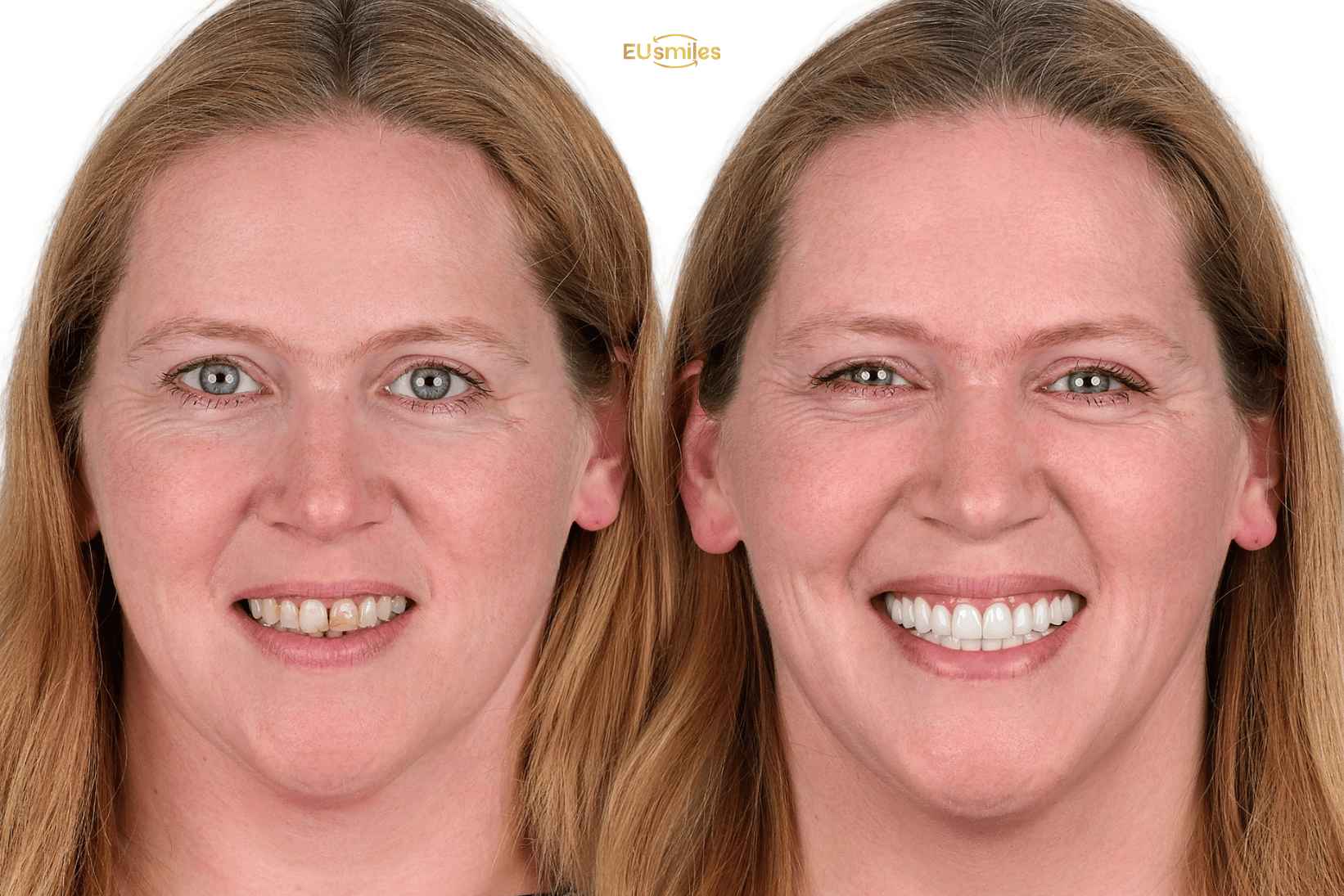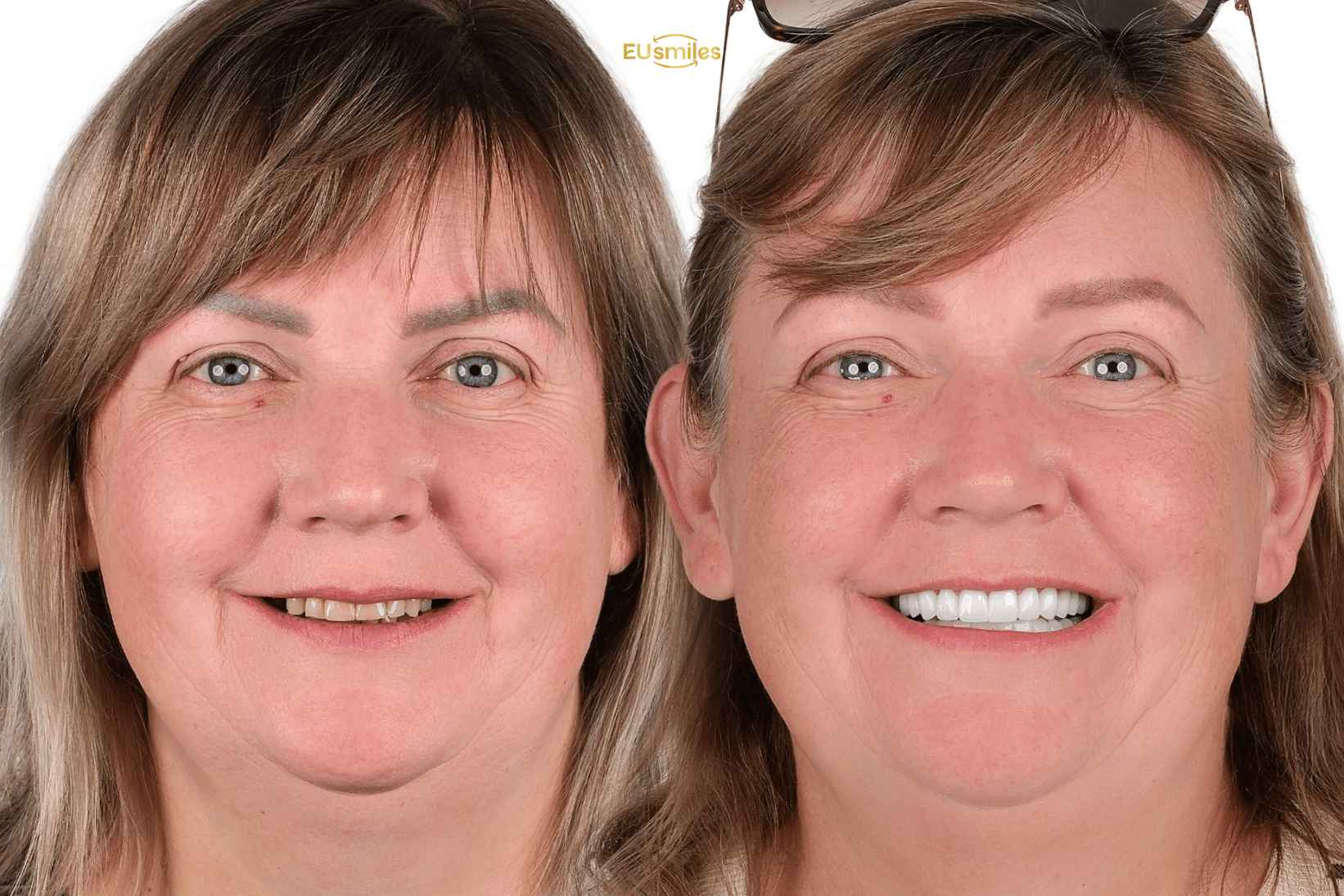

Discover teeth gap closure treatment Turkey with expert dentists. Invisalign, bonding & implants from €200. Save 70% on smile makeovers. Book free…

Gap Closing Cosmetic Dentistry Turkey 2026 Guide
Do noticeable gaps between your teeth make you hesitate to smile confidently in photos or social situations? Dental gaps, or diastema, affect approximately 25% of adults and can worsen over time without proper intervention. Fortunately, gap closing cosmetic dentistry Turkey offers world-class solutions at remarkably accessible prices.From composite resin bonding and Invisalign treatment to dental implants and smile makeover procedures, Turkish clinics combine advanced technology with European-standard care. This guide reveals the most effective gap closure methods, realistic cost comparisons, and why thousands of patients choose Turkey for their dental transformations.⚠️ Important Notice: This content is for informational purposes only and is not a substitute for professional medical advice, diagnosis, or treatment. Always consult a healthcare professional for any health concerns.
What Causes Dental Gaps and Why Should You Close Them
Dental gaps develop through multiple pathways that range from inherited traits to developmental factors. Midline diastema, the space between upper front teeth, represents the most common form of interdental spacing. Research indicates that approximately 20% of the adult population experiences some degree of tooth separation (American Dental Association, 2023). Understanding these underlying causes enables dental professionals to recommend targeted treatment strategies.Genetic and Developmental Factors
Hereditary influences play a significant role in gap formation. Tooth size discrepancies occur when teeth develop smaller than the jaw structure, creating natural spacing. The labial frenum—tissue connecting the upper lip to the gum—may extend abnormally between front teeth, preventing them from closing naturally. These structural variations often run in families, explaining why multiple generations may share similar spacing patterns.Behavioral and Functional Causes
Childhood habits shape dental alignment significantly. Prolonged thumb sucking applies forward pressure on teeth, gradually creating gaps. Incorrect swallowing patterns and tongue thrusting produce similar effects over time. When left unaddressed, these spaces trap food particles and bacteria, increasing risks for gum inflammation and periodontal disease. Professional cosmetic dentistry solutions address both aesthetic concerns and functional health implications effectively.How Labial Frenum and Tooth Size Affect Gap Formation
Understanding the Labial Frenum Connection
The labial frenum functions as a delicate band of tissue anchoring your upper lip to the gum tissue between your two front teeth. When this connective tissue develops abnormally thick or extends too low toward the tooth crowns, it creates persistent spacing issues that resist conventional orthodontic correction. Research indicates that approximately 18-25% of diastema cases stem directly from frenum-related complications.When Tooth Size Creates Natural Spacing
Dental professionals recognize microdontia—a condition where teeth develop proportionally smaller than typical dimensions—as a primary contributor to interdental gaps. When tooth width fails to match the arch space available within your jaw bone structure, spacing becomes mathematically inevitable. This size-to-space mismatch requires comprehensive prosthodontic solutions that address both functional and aesthetic concerns simultaneously, ensuring lasting results through strategic smile design interventions.Which Gap Closing Treatments Work Best for Different Cases
Treatment selection for diastema closure requires comprehensive evaluation of gap characteristics and patient expectations. Turkish dental specialists assess tooth positioning, bone density, and facial proportions through digital imaging before recommending solutions. Modern diagnostic tools enable practitioners to visualize outcomes and select methods that balance effectiveness with patient comfort.Small Gap Solutions Under 2mm
Minor spacing responds effectively to cosmetic bonding procedures. Composite resin applications reshape tooth contours in single appointments, providing immediate results without enamel removal. This conservative approach suits patients seeking quick corrections with minimal intervention. Clinical studies indicate bonding maintains aesthetic quality for 5-7 years with proper maintenance.Medium Gap Treatments Between 2-4mm
Moderate diastema often requires porcelain veneers for optimal outcomes. These ceramic shells cover front tooth surfaces while closing spacing gaps through precise width adjustments. Turkish laboratories fabricate ultra-thin veneers that preserve tooth structure while delivering natural translucency. Comprehensive dental services combine veneer placement with aesthetic smile design principles for balanced facial harmony.Large Gap Corrections Over 4mm
Extensive spacing necessitates orthodontic intervention before cosmetic enhancement. Clear aligner systems gradually reposition teeth into ideal alignment over 6-12 months. Following movement completion, practitioners may apply final cosmetic touches through bonding or veneers. This combination approach ensures stable, long-lasting diastema closure with proper bite function.Comparing Veneers, Bonding, Invisalign and Implant Solutions
Laminate Veneers: Comprehensive Coverage for Instant Results
Laminate veneers transform smiles affected by gaps up to 3mm through ultra-thin porcelain shells bonded to tooth surfaces. This advanced cosmetic solution requires minimal tooth preparation while delivering dramatic aesthetic improvements within two clinical visits.The treatment involves removing approximately 0.5mm of enamel to accommodate the veneer thickness. Dental professionals take precise impressions to fabricate custom porcelain shells that match your desired tooth shape, size, and color. According to the American Academy of Cosmetic Dentistry, veneers demonstrate exceptional longevity with proper maintenance, typically lasting 10-15 years before requiring replacement.- Immediate Transformation: Emax laminate veneers eliminate gaps while simultaneously correcting tooth color, shape, and minor alignment issues in a single treatment protocol. The porcelain material resists staining better than natural enamel, maintaining its aesthetic appearance for years.
- Composite Resin Bonding: This conservative alternative applies tooth-colored material directly to enamel without removal of tooth structure. Dentists sculpt the composite to close gaps and reshape teeth during a single appointment. The reversible nature makes bonding ideal for patients seeking non-invasive solutions for minor spacing issues under 2mm.
- Invisalign Treatment: Clear aligners gradually reposition teeth through controlled orthodontic force over 6-18 months. This method works best when addressing comprehensive bite corrections alongside gap closure.
How Much Does Gap Closing Dentistry Cost in Turkey
Turkey’s competitive pricing structure makes gap closing dentistry significantly more accessible than Western alternatives. Patients typically save 60-75% compared to European or North American costs while receiving treatment from internationally trained specialists using premium materials. According to dental tourism industry data, this cost advantage has positioned Turkish clinics among the world’s leading dental tourism destinations without compromising treatment standards.Understanding Treatment Costs by Method
- Dental bonding for minor gaps ranges between €150-300 per tooth in Turkey, compared to €400-800 in Western Europe.
- Porcelain veneers cost €200-350 per tooth versus €800-1,500 elsewhere.
- Orthodontic treatments show similar savings, with clear aligners priced at €1,200-2,500 for complete treatment versus €4,000-7,000 internationally.
What Influences Your Final Investment
Several factors determine your total expense. Gap severity affects material quantities and treatment duration. Your chosen method—whether bonding, veneers, or orthodontics—carries different price points. Clinic location within Turkey creates minor variations, though quality remains consistently high. The number of teeth requiring treatment and any preparatory procedures like dental implant placement adjust final costs. Most smile makeover packages include consultations, digital planning, and follow-up appointments within quoted prices.Treatment Price Comparison and What Influences Final Costs
Understanding Treatment Costs in Turkey
Gap-closing treatments in Turkey deliver exceptional value without sacrificing quality standards. The financial advantage stems from operational efficiency rather than material compromise. Composite bonding typically ranges from €150-300 per tooth compared to €400-800 in Western Europe or North America. This procedure reshapes teeth using tooth-colored resin materials applied directly to enamel surfaces.For comprehensive smile transformations, Emax laminate veneers cost approximately €250-400 per veneer versus €800-1500 internationally. These ultra-thin porcelain shells provide superior aesthetics and durability. Invisalign treatment averages €2000-3500 for complete alignment correction, representing significant savings compared to €4000-7000 abroad. Full orthodontic courses generally require 12-18 months of aligner therapy.What Determines Your Final Investment
Several variables influence treatment expenses. Clinic location matters—Istanbul facilities command premium rates compared to Antalya or Izmir practices. Specialist credentials affect pricing structures. Board-certified orthodontists with international training naturally charge higher consultation fees than general dentists.Material selection significantly impacts costs. German-manufactured composite resins exceed standard alternatives by 20-30%. Treatment complexity scales proportionally—correcting severe gaps requires additional appointments and customized solutions. Turkish clinics maintain transparent pricing with comprehensive packages covering diagnostics, digital imaging, accommodations, and aftercare protocols.Why Turkey Leads in Quality Gap Closing Cosmetic Dentistry
Turkey has emerged as a premier destination for aesthetic smile design through a combination of rigorous professional standards, substantial healthcare investment, and cutting-edge technological adoption. The country’s dental sector benefits from government-backed initiatives that support continuous innovation and international certification programs.Advanced Training and International Certification
Turkish dental professionals frequently complete specialized certifications from prestigious institutions in Germany, the United States, and Switzerland. These programs focus on minimally invasive cosmetic procedures and digital workflow integration. Many practitioners hold dual certifications, combining their domestic expertise with internationally recognized credentials. This cross-continental knowledge exchange ensures patients receive treatment protocols aligned with global best practices.State of the Art Technology Integration
Modern Turkish clinics invest heavily in precision equipment including intraoral scanners, CAD/CAM systems, and 3D printing capabilities. These technologies enable accurate treatment simulations and predictable outcomes. Digital smile design software allows practitioners to visualize final results before beginning treatment. This technological infrastructure supports hem efficiency and accuracy in complex aesthetic procedures.European Standards Meet Advanced Technology in Turkish Clinics
Certification Standards That Build Patient Confidence
Leading Turkish dental facilities operate under ISO 9001:2015 quality management systems and comply with European Union medical device regulations. These certifications mandate rigorous sterilization protocols, traceability systems for all materials, and continuous staff training programs. According to the International Organization for Standardization, facilities maintaining these standards undergo annual audits covering equipment calibration, hygiene procedures, and documentation accuracy.Digital Precision in Modern Cosmetic Procedures
Advanced clinics integrate CAD/CAM technology for same-day crown fabrication. This eliminates temporary restorations. Virtual smile design software provides patients with photorealistic previews before treatment begins, ensuring alignment between expectations and results. Dental contouring procedures now utilize microscopic enhancement, allowing practitioners to reshape enamel with micrometer-level accuracy. Resin composite restoration work employs biocompatible materials that match tooth translucency and fluorescence properties. Zirconia crowns exemplify this precision-driven approach to cosmetic dentistry.What to Expect During Your Gap Closing Treatment Journey
Your treatment journey begins with comprehensive digital diagnostics during the initial consultation. Advanced 3D imaging reveals precise tooth positions, bone density, and soft tissue architecture. This data enables the clinical team to create personalized smile makeover blueprints tailored to your facial proportions and aesthetic preferences.Pre Treatment Planning Phase
The preparation period involves detailed case analysis and prosthodontic solutions design. Your treatment coordinator reviews medical history, discusses sedation options, and confirms the procedural timeline. For composite bonding or veneers, minimal preparation occurs before your arrival. Dental implant cases require bone assessment and temporary restoration planning. This phase typically concludes 2-3 weeks before travel.Active Treatment Protocol
Most procedures concentrate within 5-7 consecutive days at the clinic. Tooth preparation happens on day one, followed by impression taking and shade matching. Temporary restorations protect prepared teeth while the laboratory fabricates final prosthetics. Final bonding or implant placement occurs on days 4-6, with adjustments ensuring optimal bite alignment and comfort before departure.Step by Step Process From Consultation to Final Results
What Happens During Your Gap Closing Treatment Journey?
Understanding the treatment timeline helps you prepare for your dental transformation. The process typically spans six days, combining advanced technology with meticulous craftsmanship.- Pre-Arrival Digital Consultation: Submit dental photographs and describe your smile concerns through secure channels. Specialists analyze your case, identify suitable treatments, and create preliminary plans. This stage establishes realistic expectations before you travel, covering treatment options like aesthetic smile design or laminate veneers.
- Day One – Comprehensive Assessment: Clinical examination includes 3D scanning, digital radiography, and shade matching for natural-looking restorations. Dentists discuss specific techniques required for your case, whether bonding, veneers, or orthodontic solutions.
- Days Two Through Four – Active Treatment: Tooth preparation occurs on day two for cases requiring veneers, followed by temporary restoration placement. Laboratory technicians craft permanent restorations over 3-4 days while you explore Turkey.
- Final Placement and Follow-Up: Day five involves bonding permanent restorations with bite adjustments and polishing. Day six includes comfort verification and warranty documentation. You receive care instructions and direct contact channels for post-treatment support.
Summary (TL;DR)
- Turkish dental clinics offer gap closing treatments at 60-70% lower costs than Western Europe while maintaining European certification standards.
- Multiple treatment options exist: laminate veneers for instant results, Invisalign for gradual correction, and composite bonding for budget solutions.
- Treatment duration ranges from 5-7 days for veneers to 6-18 months for Invisalign.
- Leading facilities combine board-certified specialists with state-of-the-art CAD/CAM and 3D imaging equipment.
- International patients receive complete support including consultation, accommodation assistance, and post-treatment follow-up.
Gap closing cosmetic dentistry in Turkey delivers the clinical excellence and technological sophistication you expect from premium dental care, combined with the accessibility that makes comprehensive smile transformations achievable. Whether your gaps result from genetic factors, developmental conditions, or tooth loss, Turkish dental specialists provide personalized solutions using European-certified materials and advanced digital planning systems.The value extends beyond cost savings to encompass the confidence and quality of life improvements that come with closing those gaps and revealing your best smile. Your journey to a gap-free, confident smile starts with a single decision. Contact the experienced team at eusmiles.com today to schedule your personalized consultation and receive a detailed treatment plan designed specifically for your dental gap characteristics, aesthetic goals, and timeline preferences.
Frequently Asked Questions
How long does gap closing treatment take in Turkey?
Treatment duration depends on your chosen method. Composite bonding closes small gaps in a single 1-2 hour appointment. Porcelain veneers require two visits over 5-7 days. Invisalign treatment for comprehensive alignment takes 6-18 months with monthly check-ins, though you can return home between appointments.Why is Turkey so affordable for cosmetic dentistry?
Turkey’s pricing stems from lower operational costs (facility, staffing, laboratory services) rather than compromised quality. The exchange rate and government healthcare investments also contribute to savings of 60-75% compared to Europe or North America.Can dental gaps reopen after treatment?
Gaps can reopen if underlying causes aren’t addressed (e.g., tongue thrusting). Orthodontic treatments include retention protocols with custom retainers to prevent relapse. Regular monitoring and protective measures ensure lasting results.Where can I get comprehensive gap closing treatment with guaranteed results?
eusmiles.com combines advanced digital smile design with internationally certified specialists. Their multi-treatment approach addresses both aesthetic concerns and functional causes like abnormal frenum or tooth size discrepancies.Is gap closing treatment painful or risky?
Modern techniques involve minimal discomfort. Composite bonding is painless. Veneer placement involves removing minimal enamel under local anesthetic, which may cause temporary sensitivity. Consulting qualified specialists reduces risks of gum irritation or enamel damage.Sources and References
Academic References
- Ö Hatipoğlu, et al. – Wiley Online Library, 2025. Clinical Decision‐Making of Repair vs. Replacement of Defective Direct Dental Restorations: A Multinational Cross‐Sectional Study With Meta‐Analysis.
Official Sources
- Official Gazette of Turkey
- World Health Organization
- New England Journal of Medicine
- The Lancet
- PubMed / National Library of Medicine
You May Also Like
Zirconia vs Porcelain Crowns: What Latvians Should Choose
Why Latvian Patients Prefer Dental Treatment in Turkey
Why Antalya Is Popular Among Latvian Dental Tourists
Veneers in Turkey: A Guide for Latvian Patients
Smile Makeover Options in Turkey for Latvian Patients
Is Turkey a Safe Destination for Dental Tourism from Latvia?
How to Travel from Latvia to Turkey for Dental Treatment
How Many Trips Do Latvian Patients Need for Dental Implants?
Hidden Costs in Dental Tourism: What Latvian Patients Should Know
All-on-6 Dental Implants for Patients from Latvia
Dental Treatment Packages in Turkey for Latvian Patients
Dental Implants Recovery Time: What Latvians Should Expect
Dental Implants Cost in Turkey vs Latvia: Full Comparison
Are Turkish Dental Clinics EU-Standard for Latvian Patients?
Before & After Dental Implant Results for Latvian Patients
Click to rate this post!
[Total: 1 Average: 5]

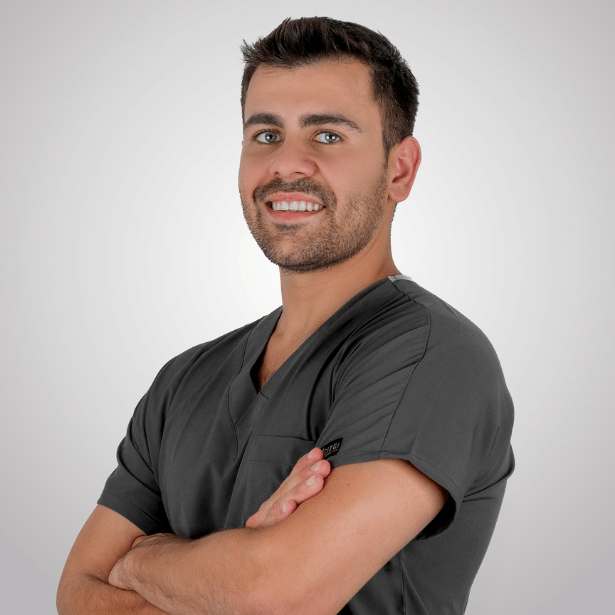
Dr. Hakan Hasgül - Dentistry
I am a Cosmetic Dentist with 18 years of hands-on experience, having transformed more than 6,200 smiles. My practice is rooted in personalized care, artistic precision, and long-lasting results. I firmly believe that a beautiful smile can elevate confidence and overall well-being. Committed to continual growth, I embrace the latest dental innovations and techniques to provide my patients with exceptional, cutting-edge care.