Planning jaw surgery or dental implants in Turkey? ✓ Save 50–80% vs UK & Germany ✓ JCI-accredited hospitals ✓ Price comparison tables ✓ Safety checklist ✓ Step-by-step guide for European patients

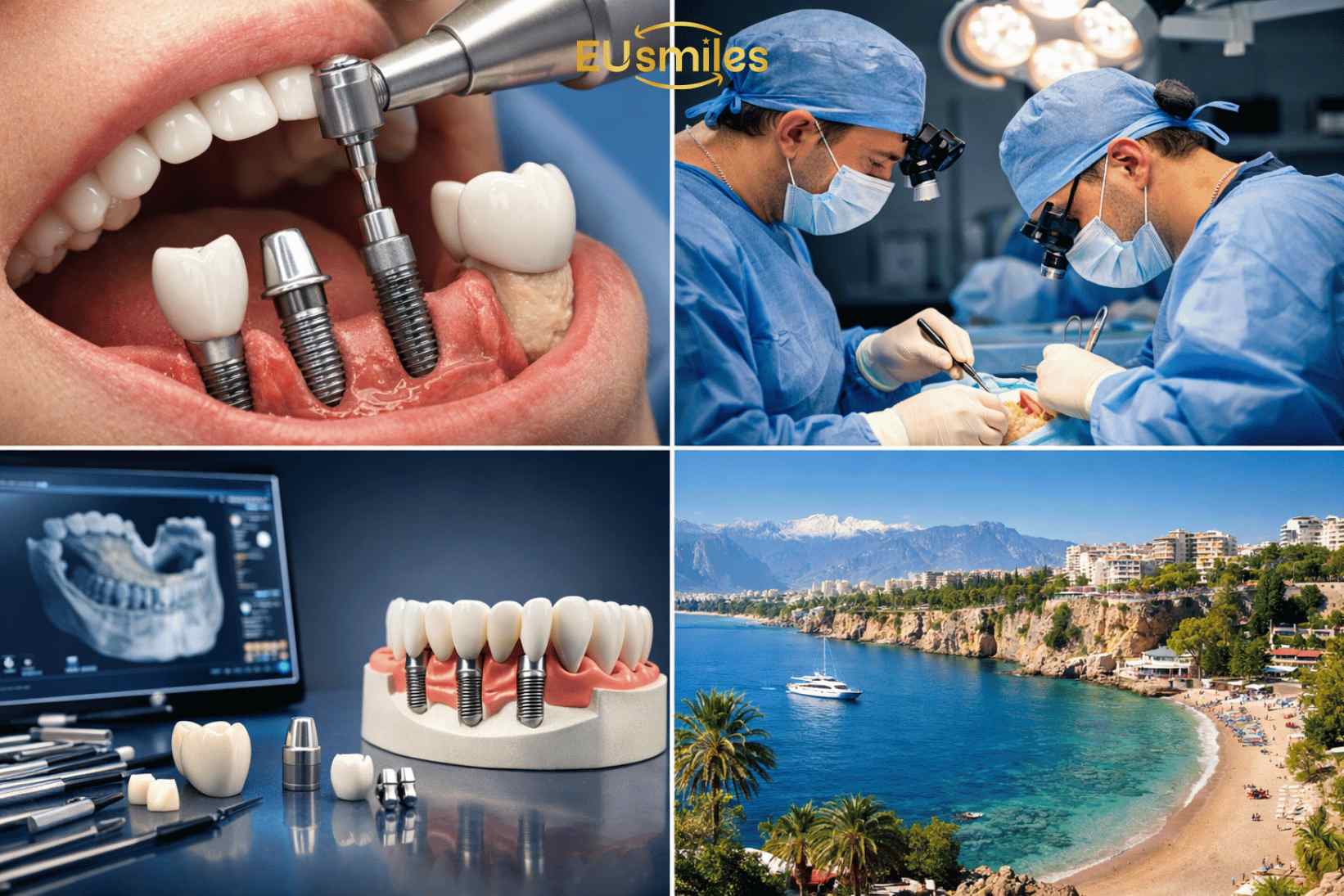
Jaw Surgery & Dental Implants in Turkey: The Complete Guide for European Patients (2026)
Every year, hundreds of thousands of European patients travel to Turkey for jaw surgery and dental implants — and the numbers keep growing. The reason is straightforward: the same internationally accredited surgeons, the same premium implant brands (Straumann, Nobel Biocare), and the same JCI-certified hospitals — at 50 to 70% less than you’d pay in the UK, Germany, or France. This guide covers everything you need to know: procedures available, real price comparisons, what to look for in a clinic, and how to plan your trip safely.
Quick Facts: Jaw Surgery & Implants in Turkey
- ✓ Single dental implant from €350–€600 (vs. €2,000–€4,000 in the UK/Germany)
- ✓ Double jaw surgery (orthognathic): €8,000–€12,000 (vs. €25,000–€40,000 in the US/UK)
- ✓ All-on-4 full arch from €3,250 per jaw (vs. €14,850 in the UK)
- ✓ JCI-accredited hospitals with internationally trained maxillofacial surgeons
- ✓ Typical stay: 7–10 days for implants; 10–14 days for orthognathic surgery
- ✓ Top cities: Istanbul & Antalya — easy direct flights from across Europe
Why European Patients Are Choosing Turkey for Jaw Surgery and Dental Implants
The medical tourism boom in Turkey is not a coincidence. It is the result of deliberate investment in healthcare infrastructure, surgical training, and international patient services over the past two decades. Here are the five key reasons why Turkey has become Europe’s go-to destination for jaw procedures:
| Reason | Why It Matters |
|---|---|
| 💰 Cost savings of 50–70% | Lower operational costs, favourable exchange rates, and government-backed medical tourism allow Turkey to offer the same procedures at a fraction of Western prices — without cutting corners on materials or care. |
| 🏥 JCI-accredited hospitals | Many Turkish hospitals hold Joint Commission International (JCI) accreditation — the global gold standard for patient safety, the same standard applied to top hospitals in the US and UK. |
| 👨⚕️ Internationally trained surgeons | A significant share of Turkish maxillofacial surgeons completed part of their training in Germany, France, the UK, or the US. Many are members of European and American surgical associations. |
| ✈️ Easy access from Europe | Istanbul is under 4 hours from almost any European capital. Antalya is served by direct budget flights from the UK, Germany, the Netherlands, France, and Scandinavia year-round. |
| 📦 All-inclusive packages | Most clinics offer bundled packages covering surgery, accommodation, airport transfers, translation services, and aftercare — removing the logistical stress of medical travel. |
Jaw Surgery & Implant Procedures Available in Turkey
Turkish clinics and hospitals offer the full range of jaw and implant procedures. Whether you need a single tooth replaced or a full orthognathic correction, here is what is available:
Dental Implants
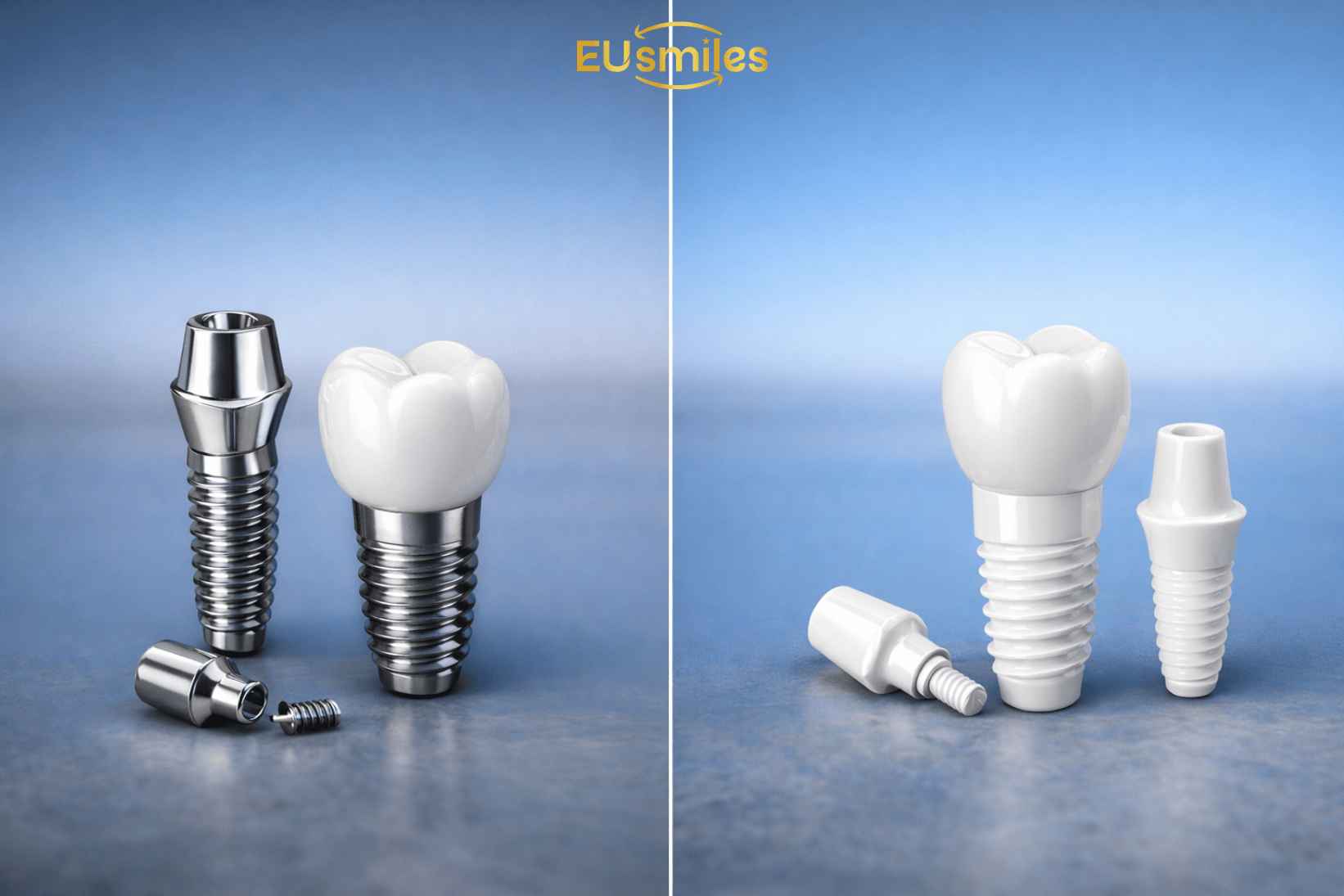
A dental implant is a titanium screw placed into the jawbone to serve as an artificial tooth root, topped with a crown or bridge. Turkish clinics use globally recognised implant systems including Straumann (Switzerland), Nobel Biocare (Sweden/Switzerland), Osstem (South Korea), and MIS (Israel) — the same brands used in UK or German clinics.
- Single implant + crown: Full replacement for one missing tooth
- Multiple implants: Two to six individual implants for multiple missing teeth
- All-on-4 (four implants per arch): Full arch restoration; immediate fixed teeth in one visit
- All-on-6 (six implants per arch): Greater load distribution for patients with higher bone density
- Implant-supported bridges: Fixed bridge anchored on implants, no natural teeth needed
- Immediate loading (same-day teeth): Provisional crown placed on the day of implant surgery
Orthognathic (Corrective Jaw) Surgery
Orthognathic surgery corrects skeletal misalignments of the upper jaw (maxilla), lower jaw (mandible), or both. It is performed by maxillofacial surgeons and is both a functional procedure (correcting bite, breathing, chewing) and an aesthetic one.
- Single jaw surgery (upper or lower): Repositioning of the maxilla or mandible alone
- Double jaw surgery (bimaxillary osteotomy): Simultaneous correction of both jaws — the most comprehensive option
- Genioplasty (chin surgery): Repositioning or augmenting the chin bone for improved facial balance
- LeFort I Osteotomy: Moves the upper jaw up, down, forward, or backward
- BSSO (Bilateral Sagittal Split Osteotomy): Moves the lower jaw forward or backward
- Jaw angle reduction: Reduces width of the lower face for a softer or more proportionate look
- MARPE / Palatal expansion: Widens the upper jaw, often combined with orthodontics
Jaw Augmentation (Cosmetic Jaw Implants)
Jaw implants are cosmetic prosthetics placed around the mandible or chin to create a stronger, more defined jawline. Unlike orthognathic surgery (which repositions bone), jaw implants add volume without moving the jaw itself. They are available in silicone or Medpor (porous polyethylene) and are customised to the patient’s anatomy.
Price Comparison: Turkey vs. UK, Germany, and the Rest of Europe
The cost difference between Turkey and Western Europe is the most compelling reason patients travel. The following table uses 2025 price data from multiple sources including Qunomedical, Hospitaprime, Carely Clinic, and Maltepe Dental Clinic.
| Procedure | Turkey | UK | Germany | Savings (vs UK) |
|---|---|---|---|---|
| Single dental implant (incl. crown) | €350–€600 | €2,000–€3,000 | €2,000–€4,000 | Up to 80% |
| All-on-4 (per arch) | €3,250–€5,500 | €14,850–€18,000 | €12,000–€18,000 | Up to 78% |
| All-on-6 (per arch) | €6,500–€9,000 | €20,000–€25,000 | €18,000–€22,000 | Up to 73% |
| Single jaw surgery | €5,000–€7,000 | £12,000–£20,000 | €15,000–€25,000 | Up to 70% |
| Double jaw surgery | €8,000–€12,000 | £20,000–£35,000 | €25,000–€40,000 | Up to 75% |
| Jaw augmentation implants | €2,500–€5,000 | £5,000–£10,000 | €6,000–€12,000 | Up to 65% |
| Genioplasty (chin surgery) | €2,000–€4,000 | £5,000–£8,000 | €5,000–€8,000 | Up to 60% |
Sources: Qunomedical 2025, HospitaPrime 2026, Carely Clinic 2025, Maltepe Dental Clinic 2025, Dose Group 2025. Prices are indicative and may vary by clinic, complexity, and implant brand.
Important context: the lower cost in Turkey is not a result of lower-quality materials or less experienced surgeons. It reflects significantly lower operational costs (rent, utilities, salaries) and favourable exchange rates, combined with high treatment volumes that allow specialists to become highly proficient.
Is Jaw Surgery and Implant Treatment in Turkey Safe?
Safety is the most important question — and the answer is: yes, when you choose the right clinic. Turkey’s medical sector is regulated by the Ministry of Health, and the country has over 50 JCI-accredited hospitals. Complication rates for orthognathic surgery at leading Turkish centres are comparable to Western hospitals.Here is how to verify that a clinic meets international safety standards:- JCI Accreditation: Check that the hospital holds a valid JCI certificate (verifiable at jointcommissioninternational.org)
- ISO 9001 certification: Confirms quality management systems in line with international standards
- Board-certified surgeons: Look for surgeons certified by the Turkish Association of Oral and Maxillofacial Surgeons (TAOMS) or European equivalents
- Technology: The clinic should use 3D CBCT scanning and Virtual Surgical Planning (VSP) for orthognathic procedures — this minimises risk and improves precision
- Transparent complication data: Reputable clinics will share their complication rates openly
- Patient reviews: Check Google, Trustpilot, and medical tourism platforms such as Qunomedical and Bookimed
What’s Typically Included in a Turkish All-Inclusive Package?
One of the practical advantages of medical tourism in Turkey is the package model. Most reputable clinics offer all-inclusive arrangements that simplify planning and make the total cost easy to predict. A well-structured package typically includes:- Pre-treatment: Free online consultation and digital X-ray review before you travel
- Arrival: Airport pickup and transfer to your accommodation
- Accommodation: 3–4 star hotel or partner residence close to the clinic (usually 7–14 nights depending on procedure)
- Surgery and hospital stay: All surgical fees, anaesthesia, operating theatre, and hospital bed
- Materials: Implants, surgical guides, provisional crowns or prosthetics
- Medical team: Surgeon, anaesthesiologist, nursing staff, and orthodontist liaison where applicable
- Medications: Post-operative antibiotics, pain relief, and prescribed aftercare medications
- Translation: Dedicated English-speaking patient coordinator throughout your stay
- Follow-up: Check-up appointments during your stay and remote aftercare (WhatsApp, video call) once home
Istanbul vs. Antalya: Which City Should You Choose?
The two primary destinations for jaw surgery and implants in Turkey are Istanbul and Antalya. Both offer excellent medical care, but they cater to slightly different patient profiles.| Factor | Istanbul | Antalya |
|---|---|---|
| Medical infrastructure | Largest concentration of JCI hospitals and specialist surgeons in Turkey; global medical tourism hub | Growing medical tourism hub; strong dental infrastructure; slightly smaller specialist pool |
| Best for | Complex orthognathic surgery, revision cases, full-mouth implant restorations | Dental implants, cosmetic jaw implants, combining treatment with a beach holiday |
| Recovery environment | Vibrant, cosmopolitan city with world-class hotels; excellent shopping and culture | Mediterranean resort atmosphere; relaxed beach recovery environment; easier pace |
| Flight connections | Direct flights from virtually every European airport; 3–4 hours from most capitals | Excellent summer connections from UK, DE, NL, SE; year-round from major hubs |
| Typical stay | 10–14 days for orthognathic surgery; 7–10 days for implants | 7–10 days for implants; shorter trips feasible for cosmetic procedures |
| Price level | Slightly higher than Antalya due to higher operational costs | Marginally lower; very competitive for dental implant packages |
Verdict for European patients: For complex orthognathic surgery, Istanbul offers the deepest pool of specialists and the most advanced hospital infrastructure. For dental implants — especially if you want to pair treatment with a holiday — Antalya is an excellent, well-priced choice with easy direct flights from across northern and western Europe.
Step-by-Step: What to Expect as a European Patient in Turkey
| # | Stage | What Happens |
|---|---|---|
| 1 | Online consultation | Share X-rays, photos, and medical history with the clinic via email or WhatsApp. Receive a personalised treatment plan and all-inclusive quote within 1–3 days. |
| 2 | Pre-travel preparation | For orthognathic surgery: orthodontic preparation (braces) typically takes 12–18 months in your home country before you travel. For implants: minimal preparation required. |
| 3 | Arrival in Turkey | Airport pickup by clinic coordinator. Check-in at partner hotel. Pre-operative consultation with your surgeon, 3D CBCT scan, final surgical planning. |
| 4 | Surgery day | Procedure performed under general (orthognathic) or local (implants) anaesthesia in an accredited hospital or clinic. Duration: 30–60 min (single implant) to 4–6 hours (double jaw surgery). |
| 5 | In-clinic recovery | Hospital monitoring (1–3 nights for orthognathic surgery). Post-op check-ups, medication management, swelling and pain monitoring by your care team. |
| 6 | Hotel recovery | Remaining days spent recovering at the hotel, with daily or every-other-day clinic check-ups. Soft diet required. Coordinator available 24/7. |
| 7 | Return home | Final check-up before departure. You receive a full medical report, X-rays, and aftercare instructions to share with your dentist at home. |
| 8 | Remote aftercare | Most Turkish clinics offer WhatsApp or video-call follow-up after you return. For dental implants: the final crown is sometimes placed on a second trip 3–6 months later. |
Special Considerations for Orthognathic (Jaw) Surgery Patients
Orthognathic surgery is a major surgical procedure that requires more planning and a longer recovery than dental implants. European patients considering this procedure in Turkey should be aware of the following:Pre-surgical orthodontics (braces):
Most patients require 12–18 months of orthodontic treatment before the surgery to properly align the teeth. This preparation phase is completed in your home country with your local orthodontist. You travel to Turkey only for the surgical procedure itself.Virtual Surgical Planning (VSP):
Reputable Turkish hospitals use 3D CBCT scanning and VSP to digitally simulate the operation before you even arrive. This allows the surgeon to plan the exact repositioning of your jaws and create custom surgical guides, significantly improving precision and reducing operating time.Recovery timeline:
Initial swelling subsides over 2–4 weeks. A liquid and soft diet is required for 4–8 weeks. Full recovery and final aesthetic result typically appear at 6–12 months. Most European patients take 2–3 weeks off work for orthognathic surgery.Post-surgical orthodontics:
After the surgery, you will typically need a further 6–12 months of orthodontic treatment with your local orthodontist at home to fine-tune the bite. Your Turkish surgical team will coordinate with your orthodontist via written treatment records and X-rays.Choosing your surgeon:
For orthognathic surgery, prioritise the individual surgeon’s experience above all else. Ask specifically how many bimaxillary osteotomies they have performed and what their complication rate is. Leading surgeons in Istanbul have performed thousands of complex cases, with complication rates reported at approximately 4% — in line with global standards.Turkey vs. Hungary: The Two Leading European Medical Tourism Destinations
Hungary — particularly Budapest — was the original European dental tourism hub and remains popular with UK and German patients. How does it compare with Turkey?| Factor | Turkey | Hungary |
|---|---|---|
| Single implant price | €350–€600 | €830–€1,200 |
| All-on-4 price per arch | €3,250–€5,500 | €4,500–€7,000 |
| Double jaw surgery | €8,000–€12,000 | Limited availability |
| Flight time from London | ~4 hours | ~2.5 hours |
| JCI-accredited hospitals | Yes (50+ nationally) | Limited |
| UK follow-up capability | Some Istanbul clinics have London offices | None typically |
| Implant brands available | Straumann, Nobel, Osstem, MIS | Straumann, Nobel, Megagen |
| Orthognathic surgery | Widely available; high volume specialists | Limited specialist volume |
| Overall savings vs. UK | Up to 80% | Up to 60% |
How to Choose the Right Clinic in Turkey: A Practical Checklist
With hundreds of clinics actively marketing to European patients, the selection process can feel overwhelming. Use this checklist to evaluate any clinic you are considering:- Accreditation: JCI accreditation or Turkish Ministry of Health Class A designation
- Technology: 3D CBCT scanner on-site; VSP software for orthognathic cases; intraoral scanner for implant cases
- Surgeon credentials: Board certification, number of procedures performed, specific experience with your procedure
- Implant systems: Confirm they use globally warranted brands (Straumann, Nobel Biocare, Osstem, MIS, BioHorizons)
- Before-and-after gallery: Real patient outcomes for the specific procedure you need
- Patient reviews: Cross-reference Google Reviews, Trustpilot, Qunomedical, and Bookimed
- Written treatment plan and itemised quote: No hidden fees; all inclusions clearly stated
- Aftercare protocol: What support is available after you return home? Is there a partner clinic in your country?
- Emergency protocol: What happens if a complication arises after you leave Turkey?
- Language: Dedicated English-speaking patient coordinator (or German/French/Dutch as applicable)
Frequently Asked Questions: Jaw Surgery & Implants in Turkey
Is dental implant treatment in Turkey really safe for Europeans?
Yes — when you choose a JCI-accredited facility with board-certified surgeons. Turkey’s medical sector is regulated by the Ministry of Health, and leading clinics use the same implant brands and surgical protocols as hospitals in the UK or Germany. Thousands of European patients are treated successfully in Turkey each year, and reputable clinics publish complication rates comparable to Western standards.How many trips to Turkey will I need for dental implants?
For straightforward cases, most patients require two trips: the first to place the implant (3–7 days), and a second visit 3–6 months later to fit the permanent crown once osseointegration is complete. Same-day teeth (immediate loading) may be possible for eligible patients, potentially consolidating treatment into one trip.Do I need pre-surgical braces before jaw surgery in Turkey?
In most cases, yes. Orthognathic surgery requires 12–18 months of pre-surgical orthodontic treatment to align the teeth properly before the jaw is repositioned. This orthodontic phase is completed in your home country. You travel to Turkey only for the surgical procedure, then return home for post-surgical orthodontics (6–12 months).Will my travel insurance cover jaw surgery or dental implants in Turkey?
Standard travel insurance does not cover planned medical procedures. You should look for specialist medical travel insurance or confirm with your clinic whether they carry liability insurance for international patients. Some clinics offer treatment warranties that include remedial work at no additional cost if complications arise within a defined period.How do I handle follow-up care when I return home?
Most Turkish clinics offer remote aftercare via WhatsApp or video call. For dental implants, you can attend routine check-ups with your local dentist at home — simply share the clinical records and X-rays provided by the Turkish clinic. Some Istanbul clinics have partner offices in the UK or Germany specifically for post-treatment follow-up.How long do dental implants from Turkey last?
The longevity of your implants depends on the implant brand and your aftercare — not the country where they were placed. Premium brands such as Straumann and Nobel Biocare, used by leading Turkish clinics, carry global manufacturer warranties and have 10-year survival rates of over 95%. With good oral hygiene and regular check-ups, implants can last 20–30 years or a lifetime.What is the best time of year to travel to Turkey for treatment?
Medical treatment can be arranged year-round, but spring (April–June) and autumn (September–November) offer the most comfortable temperatures for recovery. Antalya in summer can be very hot, which some patients find uncomfortable during the healing phase. Istanbul’s climate is more moderate. Always prioritise your surgery schedule over seasonal preference.Conclusion: Is Jaw Surgery and Implant Treatment in Turkey Right for You?
For European patients facing high costs, long NHS or insurance waiting lists, or simply looking for the best value without compromising on quality, Turkey represents a genuinely compelling option for jaw surgery and dental implants.The combination of internationally accredited hospitals, surgeons trained in Europe and the US, globally recognised implant brands, and all-inclusive packages — at 50–80% lower cost than the UK or Germany — makes Turkey the most accessible high-quality medical tourism destination for Europeans seeking jaw-related procedures.The key is due diligence: verify accreditation, check your surgeon’s specific experience, read independent patient reviews, and ensure you have a clear aftercare plan before you book. Done correctly, treatment in Turkey can deliver life-changing results at a price that makes it achievable this year — not indefinitely deferred.You May Also Like
Zirconia vs Porcelain Crowns: What Latvians Should Choose
Why Latvian Patients Prefer Dental Treatment in Turkey
Why Antalya Is Popular Among Latvian Dental Tourists
Veneers in Turkey: A Guide for Latvian Patients
Smile Makeover Options in Turkey for Latvian Patients
Is Turkey a Safe Destination for Dental Tourism from Latvia?
How to Travel from Latvia to Turkey for Dental Treatment
How Many Trips Do Latvian Patients Need for Dental Implants?
Hidden Costs in Dental Tourism: What Latvian Patients Should Know
All-on-6 Dental Implants for Patients from Latvia
Dental Treatment Packages in Turkey for Latvian Patients
Dental Implants Recovery Time: What Latvians Should Expect
Dental Implants Cost in Turkey vs Latvia: Full Comparison
Are Turkish Dental Clinics EU-Standard for Latvian Patients?
Before & After Dental Implant Results for Latvian Patients
Click to rate this post!
[Total: 0 Average: 0]

Dr. Hakan Hasgül - Dentistry
I am a Cosmetic Dentist with 18 years of hands-on experience, having transformed more than 6,200 smiles. My practice is rooted in personalized care, artistic precision, and long-lasting results. I firmly believe that a beautiful smile can elevate confidence and overall well-being. Committed to continual growth, I embrace the latest dental innovations and techniques to provide my patients with exceptional, cutting-edge care.