Looking for an orthodontist in Tallinn? Modern braces, clear aligners, and personalized treatment plans with advanced digital technology.

Orthodontist Tallinn: Comprehensive Guide to Modern Orthodontic Treatment
Searching for an orthodontist in Tallinn usually means you are looking for more than just straight teeth. Orthodontic treatment focuses on correcting bite alignment (malocclusion), improving jaw function, and enhancing long-term oral health. A properly aligned bite reduces uneven tooth wear, lowers the risk of gum disease, and supports overall dental stability.
In Tallinn, orthodontic care follows European clinical standards, integrating digital diagnostics, evidence-based protocols, and interdisciplinary treatment planning. Modern orthodontics is no longer limited to teenagers; adults increasingly seek treatment for both functional and aesthetic reasons.
An experienced orthodontist evaluates not only tooth alignment but also facial symmetry, jaw positioning, temporomandibular joint (TMJ) health, and periodontal condition. This comprehensive assessment ensures predictable, long-term results.
When Should You Visit an Orthodontist in Tallinn?
Early evaluation plays a crucial role in preventing complex dental problems. The first orthodontic consultation is typically recommended around the age of 6–8, when jaw growth patterns can be assessed.
Adults should consider visiting an orthodontist if they experience:
- Crowded or overlapping teeth
- Difficulty chewing or biting
- Jaw pain or clicking sounds
- Gaps between teeth
- Noticeable bite misalignment
Delaying orthodontic treatment may lead to enamel wear, gum recession, and TMJ disorders. Timely diagnosis allows for minimally invasive and more efficient correction.
Braces vs Clear Aligners: Which Treatment Is Right for You?
Traditional Braces
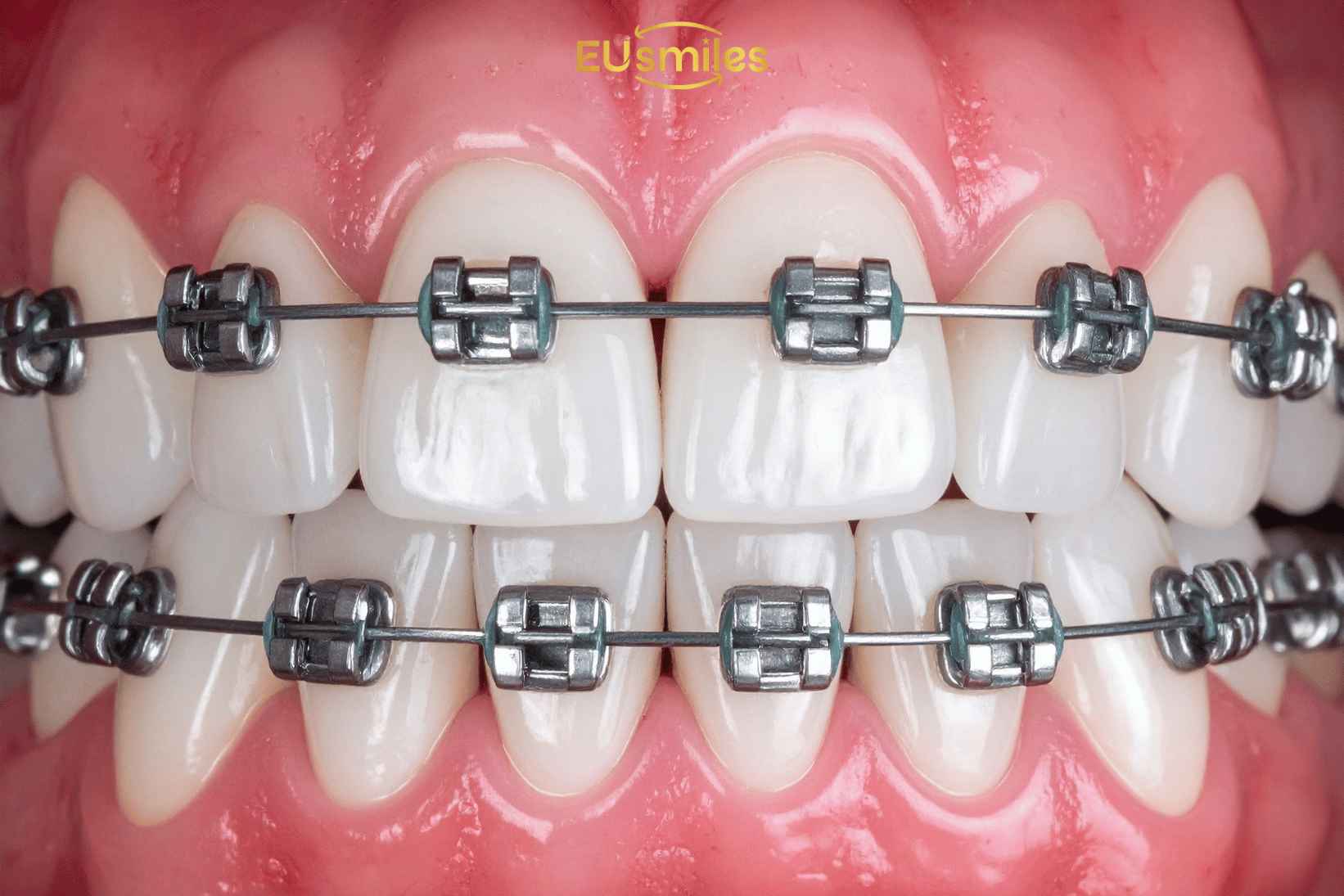
Metal and ceramic braces remain highly effective for moderate to severe malocclusions. They allow precise control of tooth movement and are often recommended for complex bite corrections.
Modern bracket systems are smaller and more comfortable than older designs. Ceramic braces offer improved aesthetics while maintaining clinical strength.
Clear Aligners (Invisalign)
Clear aligners such as Invisalign are virtually invisible and removable. They are ideal for mild to moderate alignment issues and are particularly popular among adult patients.
Digital 3D planning allows patients to visualize projected results before starting treatment. However, aligners must be worn 20–22 hours per day to achieve optimal outcomes.
How Much Does Orthodontic Treatment Cost in Tallinn?
The cost of orthodontic treatment varies depending on:
- Severity of malocclusion
- Type of appliance (metal braces, ceramic braces, aligners)
- Duration of treatment
- Need for additional procedures (extractions, expanders, retainers)
While clear aligner therapy may be more expensive, it offers greater convenience and aesthetic advantages. Many private clinics in Tallinn provide installment payment options, making treatment more accessible.
It is important to understand that orthodontic treatment is a long-term investment in oral health. Lower upfront costs should never compromise clinical quality or specialist expertise.
Digital Orthodontics and Modern Technology
Contemporary orthodontic practices in Tallinn integrate advanced technologies to improve precision and comfort.
- 3D intraoral scanning
- Digital treatment simulation
- Panoramic and cephalometric imaging
- Computer-aided treatment planning
Digital workflows reduce treatment errors and allow better communication between orthodontist and patient. Accurate diagnostics lead to shorter treatment durations and more predictable outcomes.
Orthodontic Treatment for Adults
Orthodontics is no longer age-restricted. Many adults seek treatment to improve aesthetics, restore function before prosthetic procedures, or address long-standing bite issues.
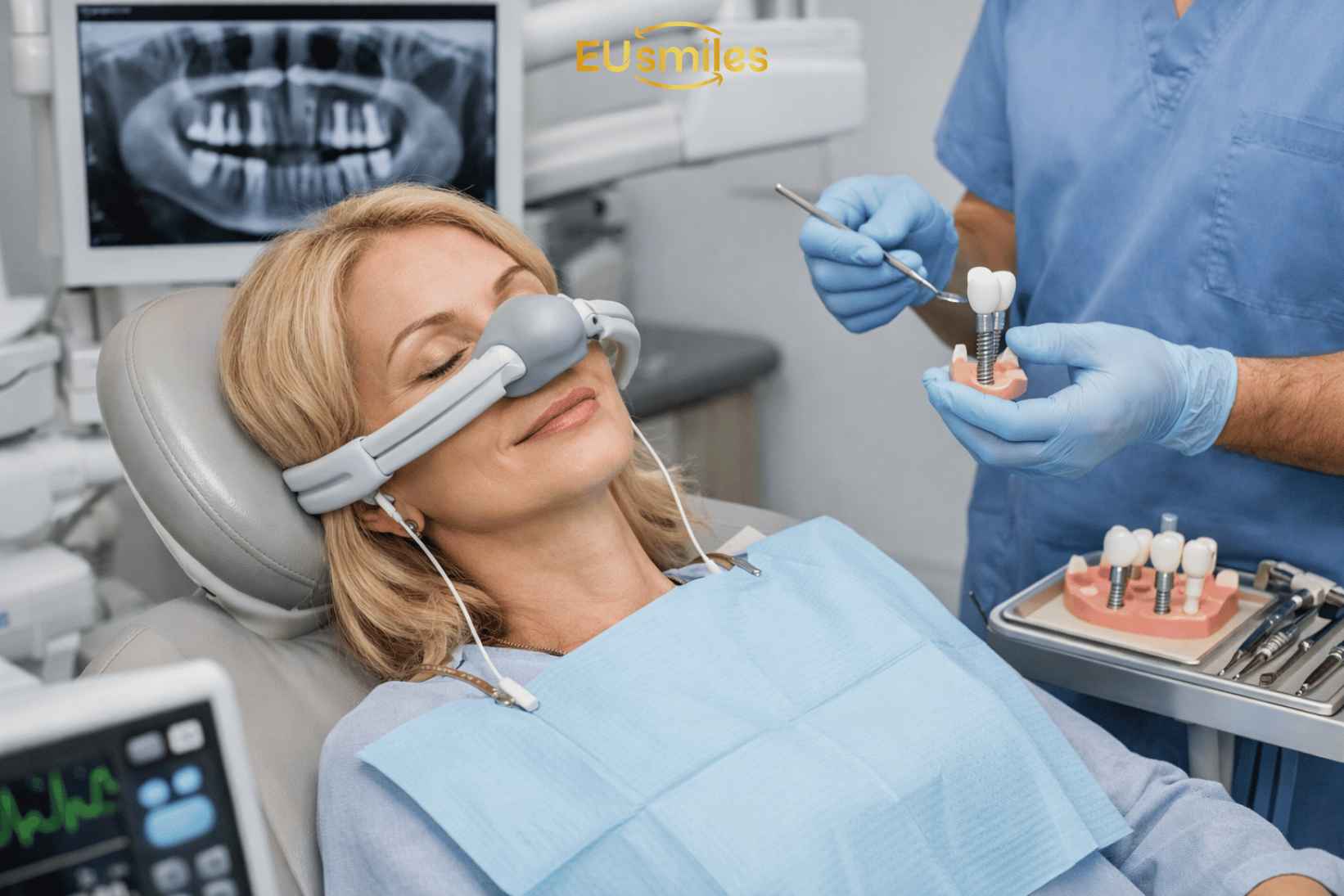
- Implant placement planning
- Periodontal therapy
- Prosthetic rehabilitation
- Smile design procedures
Teeth can be moved safely at almost any age, provided gum health is stable. With modern systems like clear aligners and ceramic braces, treatment remains discreet and comfortable.
Retainers and Post-Treatment Stability
Retention is a critical phase following active orthodontic treatment. Without retainers, teeth may gradually shift back toward their original positions.
- Fixed (bonded) retainers placed behind the teeth
- Removable retainers worn primarily at night
The duration of retainer wear varies individually, but long-term retention significantly enhances treatment stability. Patient compliance during this phase determines the longevity of results.
Signs of a Qualified Orthodontist in Tallinn
- Specialized orthodontic training
- Experience with both braces and aligner systems
- Digital diagnostic equipment
- Transparent treatment planning
- Positive patient reviews
A reputable orthodontist provides a detailed explanation of diagnosis, treatment timeline, risks, and expected outcomes. Clear communication builds trust and ensures informed decision-making.
Conclusion: Choosing the Right Orthodontist in Tallinn
Selecting an orthodontist in Tallinn involves more than comparing prices. It requires evaluating professional credentials, treatment philosophy, and technological infrastructure.
Modern orthodontic care integrates digital planning, evidence-based techniques, and personalized treatment strategies. Whether you choose traditional braces or clear aligners, the ultimate goal remains the same: achieving functional bite alignment and long-term oral health stability.
A well-planned orthodontic treatment not only enhances your smile but also improves chewing efficiency, jaw balance, and overall dental wellness. Investing in qualified orthodontic care today ensures lasting benefits for years to come.
❓ Frequently Asked Questions — Orthodontist Tallinn
How do I find the best orthodontist in Tallinn?
To find a qualified orthodontist, check for:
orthodontic specialty training and certifications
experience with braces and clear aligners
digital diagnostic capabilities (3D scanning, X-rays)
transparent treatment plans
patient reviews and before/after cases
A reputable orthodontist will explain your diagnosis, treatment options, timeline, and expected outcomes clearly.
At what age should I visit an orthodontist in Tallinn?
Early orthodontic evaluation is recommended around ages 6–8 to assess jaw growth and eruption patterns.
However, orthodontic treatment is effective at any age — adults frequently seek treatment to resolve bite issues or improve dental aesthetics.
What is the difference between braces and clear aligners?
Braces:
Suitable for moderate to complex cases
Metal or ceramic options available
Fixed to teeth for continuous correction
Clear Aligners (e.g., Invisalign):Removable and nearly invisible
Ideal for mild to moderate alignment
Requires strict daily wear (20–22 hours)
The choice depends on case complexity, lifestyle, and patient preference.
How long does orthodontic treatment take?
Treatment duration varies by severity, age, and appliance type. On average:
Traditional braces: 12–24 months
Clear aligners: 6–18 months
Follow-up retention phase is necessary after active treatment to maintain results.
What does orthodontic treatment cost in Tallinn?
Cost depends on:
type of appliance (braces, ceramic braces, aligners)
severity of bite problem
duration of treatment
additional procedures (extractions, expanders, retainers)
Many clinics offer flexible payment options. Aligners may cost more but provide aesthetic benefits.
Is adult orthodontic treatment possible in Tallinn?
Yes — adults can undergo orthodontic treatment if gum health is stable.
Adult cases often integrate interdisciplinary planning with:
implant coordination
periodontal therapy
prosthetic rehabilitation
Modern systems like clear aligners and ceramic braces allow discreet correction even in professional settings.
What is a retainer and why is it important?
After active treatment, retainers help stabilize tooth positions. Without retainers, teeth may gradually relapse toward their original alignment.
Retainers can be:
Fixed (bonded behind teeth)
Removable (worn mainly at night)
Can I play sports with braces?
Yes — but for contact sports, a custom mouthguard is recommended to protect brackets and soft tissues. Avoid very hard foods to prevent bracket damage.
How often do I see my orthodontist during treatment?
Typically every 4–8 weeks for adjustments, monitoring progress, and making changes as needed. Aligners follow a digital check schedule determined by your plan.
Will orthodontic treatment improve my overall dental health?
Yes — aligned teeth:
improve chewing efficiency
ease daily oral hygiene
reduce risk of gum disease and decay
decrease uneven tooth wear
Proper alignment also supports TMJ (jaw joint) health.
Can I get orthodontic treatment while wearing dental implants?
Yes — interdisciplinary planning can coordinate orthodontics with implant placement. Your orthodontist and implant specialist work together to ensure optimal functional and aesthetic outcomes.
Are there bilingual orthodontists in Tallinn?
Many clinics have English-speaking specialists, and some offer services in multiple languages based on patient needs.
Do clinics provide digital orthodontic diagnostics?
Modern clinics in Tallinn use 3D intraoral scanning and digital treatment simulation for precise diagnosis and planning. This enhances comfort and reduces guesswork compared to traditional molding.
What should I bring to my first orthodontic consultation?
Bring:
previous dental records or X-rays, if any
list of concerns or goals
questions about options, duration, and costs
This helps your orthodontist create a tailored treatment plan.
You May Also Like
Zirconia vs Porcelain Crowns: What Latvians Should Choose
Why Latvian Patients Prefer Dental Treatment in Turkey
Why Antalya Is Popular Among Latvian Dental Tourists
Veneers in Turkey: A Guide for Latvian Patients
Smile Makeover Options in Turkey for Latvian Patients
Is Turkey a Safe Destination for Dental Tourism from Latvia?
How to Travel from Latvia to Turkey for Dental Treatment
How Many Trips Do Latvian Patients Need for Dental Implants?
Hidden Costs in Dental Tourism: What Latvian Patients Should Know
All-on-6 Dental Implants for Patients from Latvia
Dental Treatment Packages in Turkey for Latvian Patients
Dental Implants Recovery Time: What Latvians Should Expect
Dental Implants Cost in Turkey vs Latvia: Full Comparison
Are Turkish Dental Clinics EU-Standard for Latvian Patients?
Before & After Dental Implant Results for Latvian Patients
Click to rate this post!
[Total: 1 Average: 5]

Dr. Hakan Hasgül - Dentistry
I am a Cosmetic Dentist with 18 years of hands-on experience, having transformed more than 6,200 smiles. My practice is rooted in personalized care, artistic precision, and long-lasting results. I firmly believe that a beautiful smile can elevate confidence and overall well-being. Committed to continual growth, I embrace the latest dental innovations and techniques to provide my patients with exceptional, cutting-edge care.