
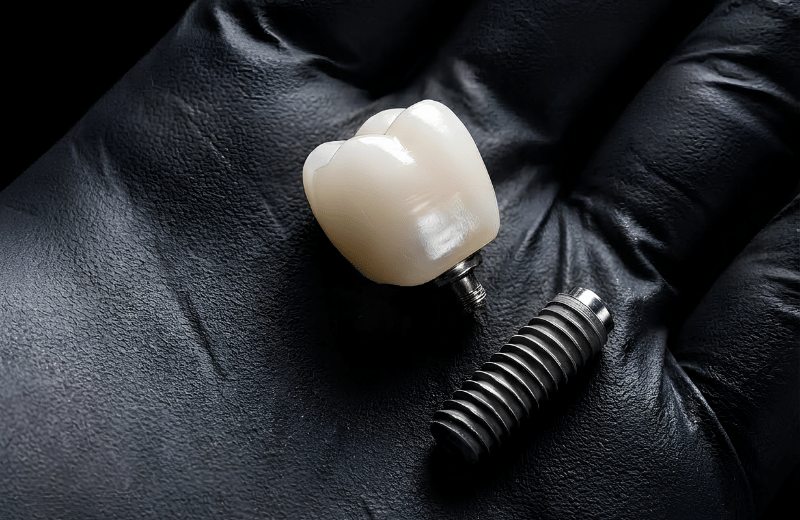
Dental Implants in Turkey
Dental implants are a modern and reliable solution for replacing missing teeth. The treatment involves placing a titanium implant into the jawbone, where it functions as an artificial tooth root and provides a stable foundation for crowns, bridges, or full-arch restorations.
From a clinical perspective, dental implants restore not only dental aesthetics but also chewing efficiency and jawbone health. Unlike removable dentures, implants integrate directly with the bone, helping to prevent bone resorption and long-term facial changes.
Turkey has become a leading destination for implant dentistry due to its combination of advanced dental technology, experienced implant surgeons, and internationally recognised treatment protocols.
What Are Dental Implants and How Do They Work?
Dental implants are biocompatible titanium fixtures surgically placed into the jawbone. Through a biological process known as osseointegration, the implant bonds securely with the surrounding bone, creating a strong and permanent anchor for the final restoration.
After the healing phase, an abutment is attached to the implant, followed by a custom-designed crown that closely matches the shape, size, and colour of the natural teeth. This ensures both functional stability and a highly natural appearance.
From a medical standpoint, dental implants are regarded as the gold standard for tooth replacement, with long-term success rates exceeding 95% when correctly planned and maintained.



Why Choose Turkey for Dental Implants?
Patients choose dental implants in Turkey for several clinically and practically important reasons:
- ✓Highly trained implant dentists with international clinical experience
- ✓Advanced digital planning, CBCT imaging, and guided implant systems
- ✓Use of CE-certified and internationally approved implant brands
- ✓Strict hygiene, sterilisation, and patient safety protocols
In addition to clinical quality, dental implant treatment in Turkey is significantly more cost-effective compared to many European countries, without compromising materials or medical standards.
For many patients, Turkey offers an optimal balance between clinical excellence, affordability, and efficient treatment timelines.
Dental Implant Costs in Turkey
The cost of dental implants in Turkey is considerably lower than in many parts of Europe. This difference is primarily due to lower operational and clinical expenses rather than reduced treatment quality.
Treatment fees often include consultation, diagnostic imaging, implant surgery, and the final restoration. Many clinics provide transparent treatment packages designed to avoid unexpected costs.
From a professional perspective, cost should never be the only deciding factor. The surgeon’s experience, implant system selection, and long-term aftercare are essential elements for successful outcomes.
Types of Dental Implants Used in Turkey
Modern dental clinics in Turkey offer a wide range of implant solutions tailored to individual clinical needs:
• Single Tooth Implants for replacing individual missing teeth
• Multiple Implants to support fixed bridges
• All-on-4 and All-on-6 Implants for full-arch rehabilitation
• Immediate Load Implants in suitable clinical cases
Each treatment option is selected following a comprehensive clinical assessment, including bone density analysis, bite evaluation, and overall oral health status.
Choosing the appropriate implant solution ensures long-term stability, comfort, and natural-looking results.
Are Dental Implants in Turkey Safe?
Dental implant treatment in Turkey is safe when performed in licensed dental clinics by qualified and experienced professionals. Reputable clinics adhere to international infection control standards and use globally recognised implant systems.
Pre-treatment diagnostics, such as panoramic radiographs and CBCT scans, allow precise surgical planning and significantly reduce potential risks.
As a clinician, I emphasise that patient safety relies on accurate diagnosis, individualised treatment planning, and strict adherence to evidence-based dental protocols.
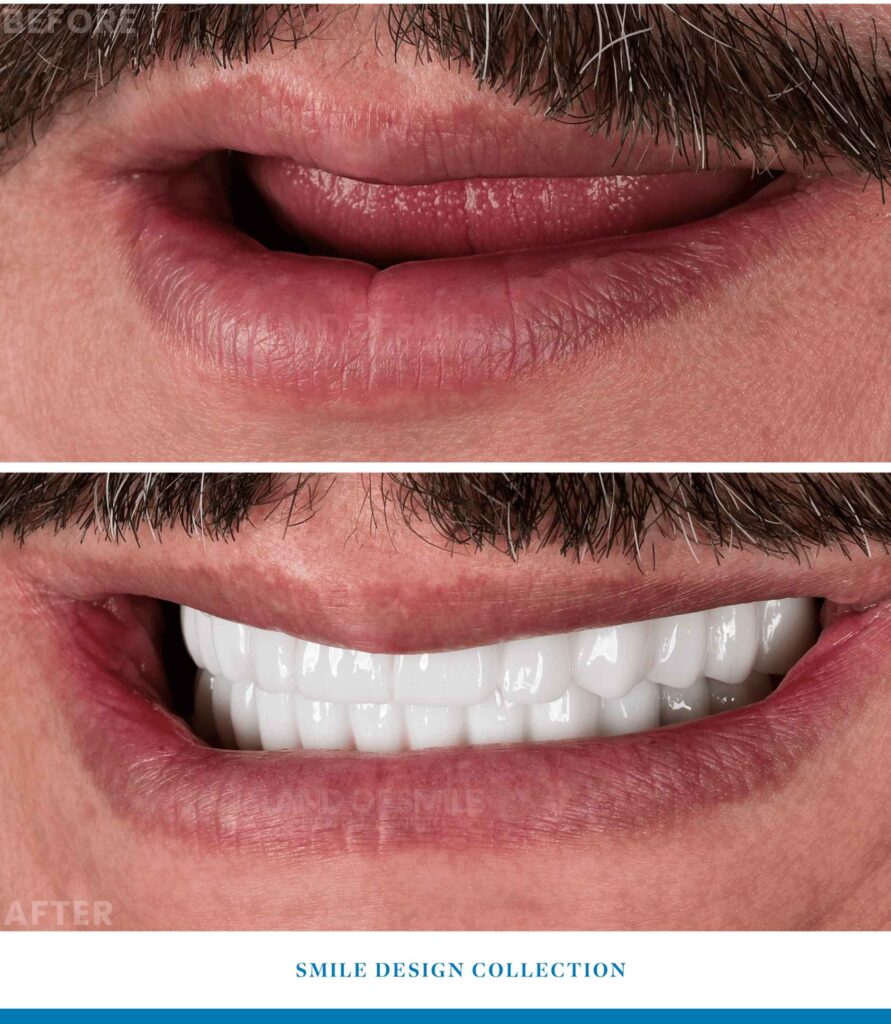
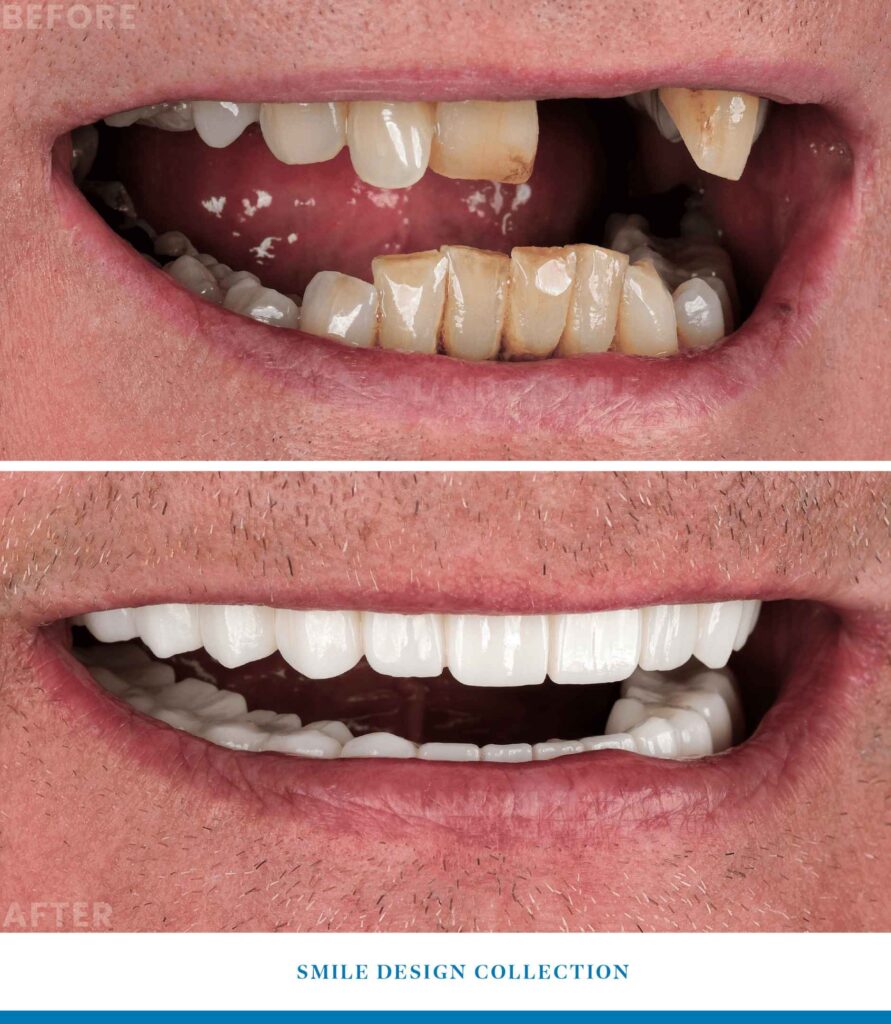
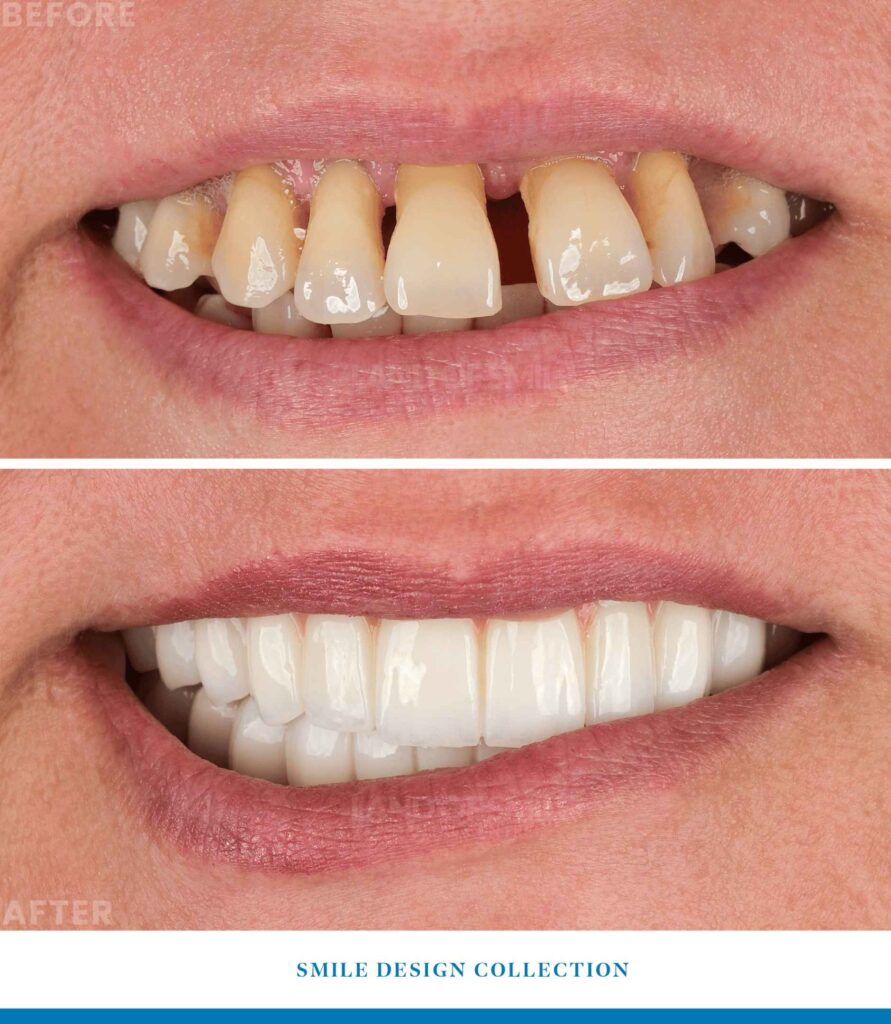
Dental Implants Turkey vs Europe: A Clinical Comparison
Dental implant procedures in Turkey follow the same scientific principles applied throughout Europe. Surgical techniques, materials, and success criteria are equivalent in reputable clinics.
The main differences relate to treatment costs, appointment availability, and the scope of care provided. In Turkey, patients often benefit from shorter waiting times and comprehensive treatment planning under one clinical team.
From a professional standpoint, treatment success depends more on the clinician’s expertise and planning than on geographical location.
Recovery and Aftercare Following Dental Implants
After implant placement, mild swelling or discomfort is normal and usually resolves within a few days. Patients receive detailed aftercare instructions to support optimal healing.
The osseointegration process typically takes between three and six months, depending on bone quality and individual healing capacity.
Long-term implant success depends on good oral hygiene, routine dental check-ups, and professional maintenance, similar to the care of natural teeth.
Who Is Suitable for Dental Implants?
Dental implants are suitable for most adults with good general and oral health. Key factors assessed include bone volume, gum condition, and overall medical history.
Patients with bone loss may still be eligible through bone grafting procedures or advanced implant techniques.
A comprehensive consultation is essential to determine suitability and to create a predictable, safe, and personalised treatment plan.

Dental Implants – Frequently Asked Questions
1. What are dental implants?
Dental implants are biocompatible titanium fixtures placed into the jawbone to replace missing tooth roots. They provide a stable foundation for crowns, bridges, or full-arch restorations.2. Why are dental implants considered the gold standard for tooth replacement?
Dental implants restore both function and aesthetics while preserving jawbone health. Unlike removable dentures, implants integrate with the bone, preventing bone loss and maintaining natural facial structure.3. How long do dental implants last?
With proper oral hygiene and regular professional care, dental implants can last 20 years or longer. In many cases, implants are designed to last a lifetime, while the crown may require replacement over time.4. Is dental implant surgery painful?
Implant placement is performed under local anesthesia, so patients do not feel pain during the procedure. Mild swelling or discomfort afterward is normal and typically resolves within a few days.5. How long does the dental implant treatment process take?
The full treatment process usually takes between 3 to 6 months. This includes implant placement, healing and osseointegration, and final crown restoration. Treatment duration may vary based on bone quality and clinical complexity.6. What is osseointegration?
Osseointegration is the biological process in which the dental implant bonds directly with the surrounding jawbone. This creates a stable and permanent anchor for the final dental restoration.7. How many visits are required for dental implants?
Most dental implant treatments require 2 to 4 visits, depending on whether additional procedures such as bone grafting or immediate loading are needed.8. How much do dental implants cost?
The cost of dental implants varies depending on the implant system, number of implants, and treatment complexity. Clinics typically provide personalised treatment plans following clinical examination and imaging.9. Are dental implants safe?
Yes. Dental implants are a well-established and safe treatment when performed by experienced clinicians using certified implant systems. Comprehensive diagnostics and proper planning significantly reduce risks.10. How should I care for my dental implants?
– Maintain excellent oral hygiene– Brush and floss daily
– Avoid smoking during healing
– Attend regular dental check-ups and professional cleanings
11. Who is suitable for dental implants?
Most adults with good general and oral health are suitable for dental implants. Bone volume, gum health, and medical history are carefully evaluated during consultation to ensure safe and predictable outcomes.Click to rate this post!
[Total: 1 Average: 5]