Premium Aesthetic Emax Crowns in Antalya
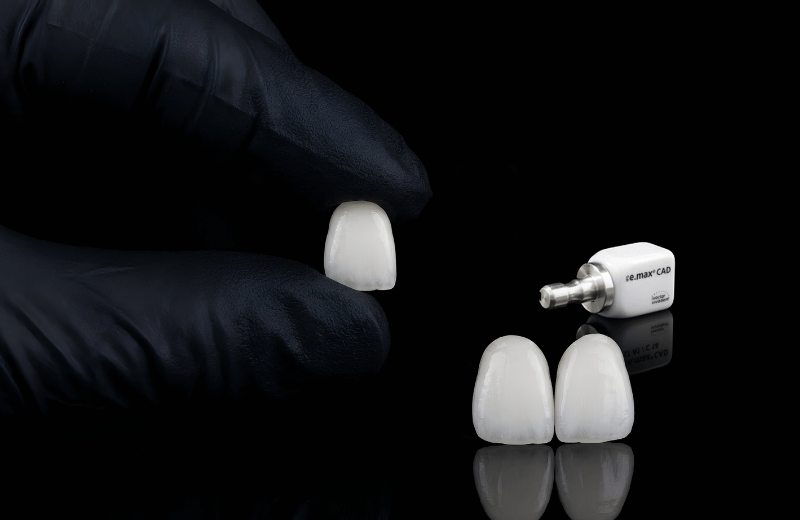
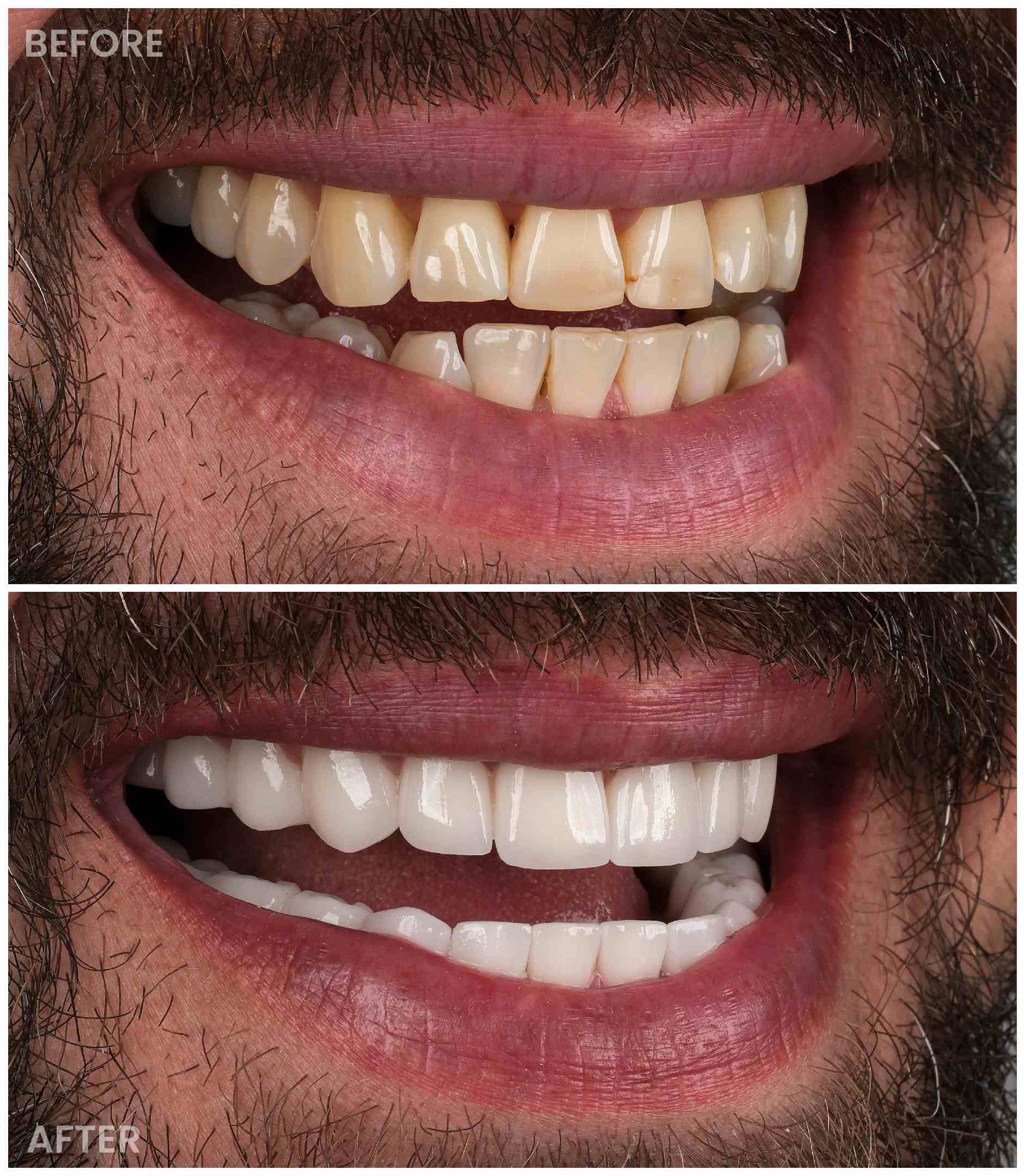
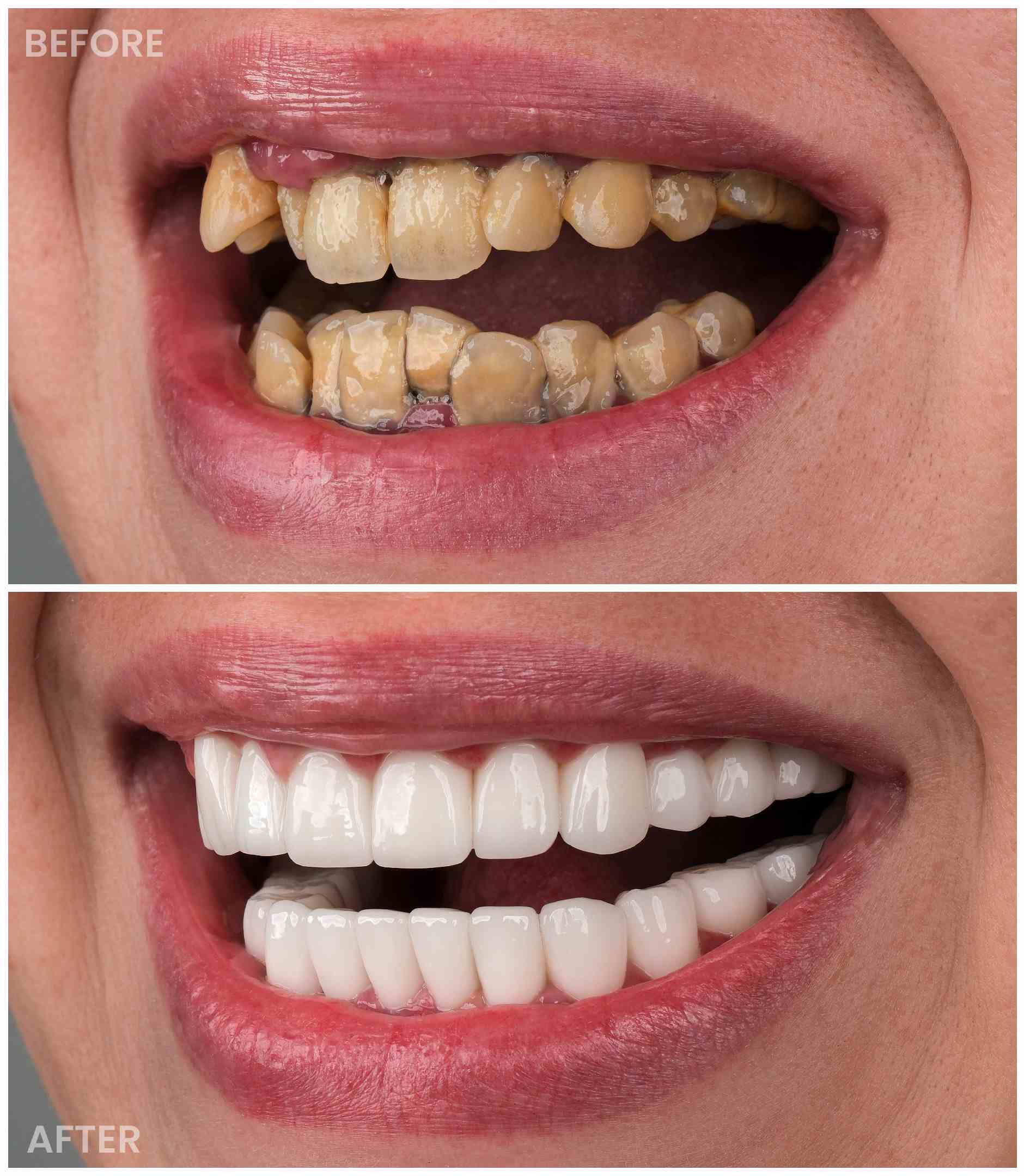
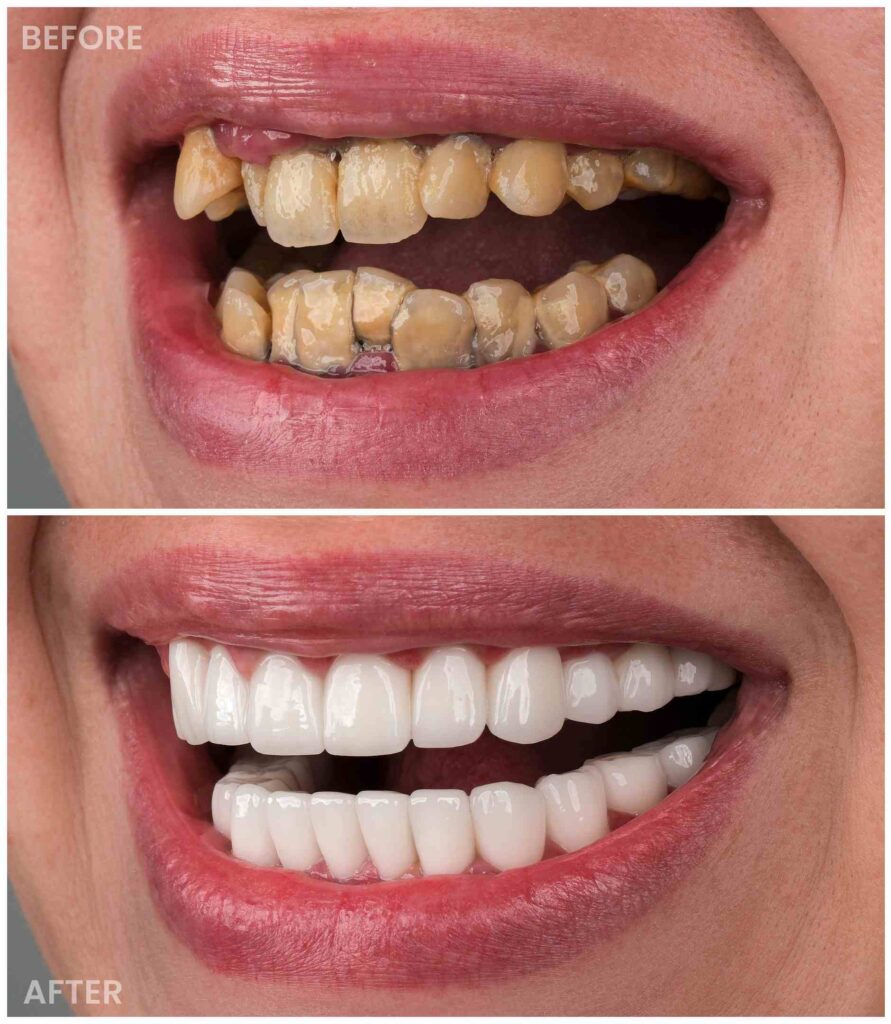
Emax crowns are widely recognised in aesthetic dentistry as a premium ceramic restoration designed to replicate the appearance of natural tooth enamel. Manufactured from lithium disilicate glass-ceramic, Emax crowns combine high translucency with reliable clinical performance, making them particularly suitable for visible teeth.From a restorative dentistry perspective, Emax crowns are preferred when aesthetics are the primary concern and when sufficient natural tooth structure remains. Their optical properties allow seamless integration with surrounding teeth, supporting a harmonious smile design.What Are Emax Crowns?
Emax crowns are full-coverage restorations produced from lithium disilicate, a high-strength ceramic material used extensively in modern prosthodontics. Unlike traditional metal-based crowns, Emax restorations are completely metal-free, reducing the risk of gum discolouration and improving long-term tissue health.Clinically, lithium disilicate offers a balance between strength and translucency. This allows dentists to fabricate restorations that are both functional and highly aesthetic, especially in anterior regions.


Key Material Characteristics of Emax Crowns
- ✓High translucency similar to natural enamel
- ✓Metal-free and biocompatible structure
- ✓Precise marginal adaptation
Choosing Emax crowns is a clinical decision driven by aesthetic expectations and minimally invasive principles. These restorations allow for conservative tooth preparation, preserving more natural tooth structure compared to other crown types.
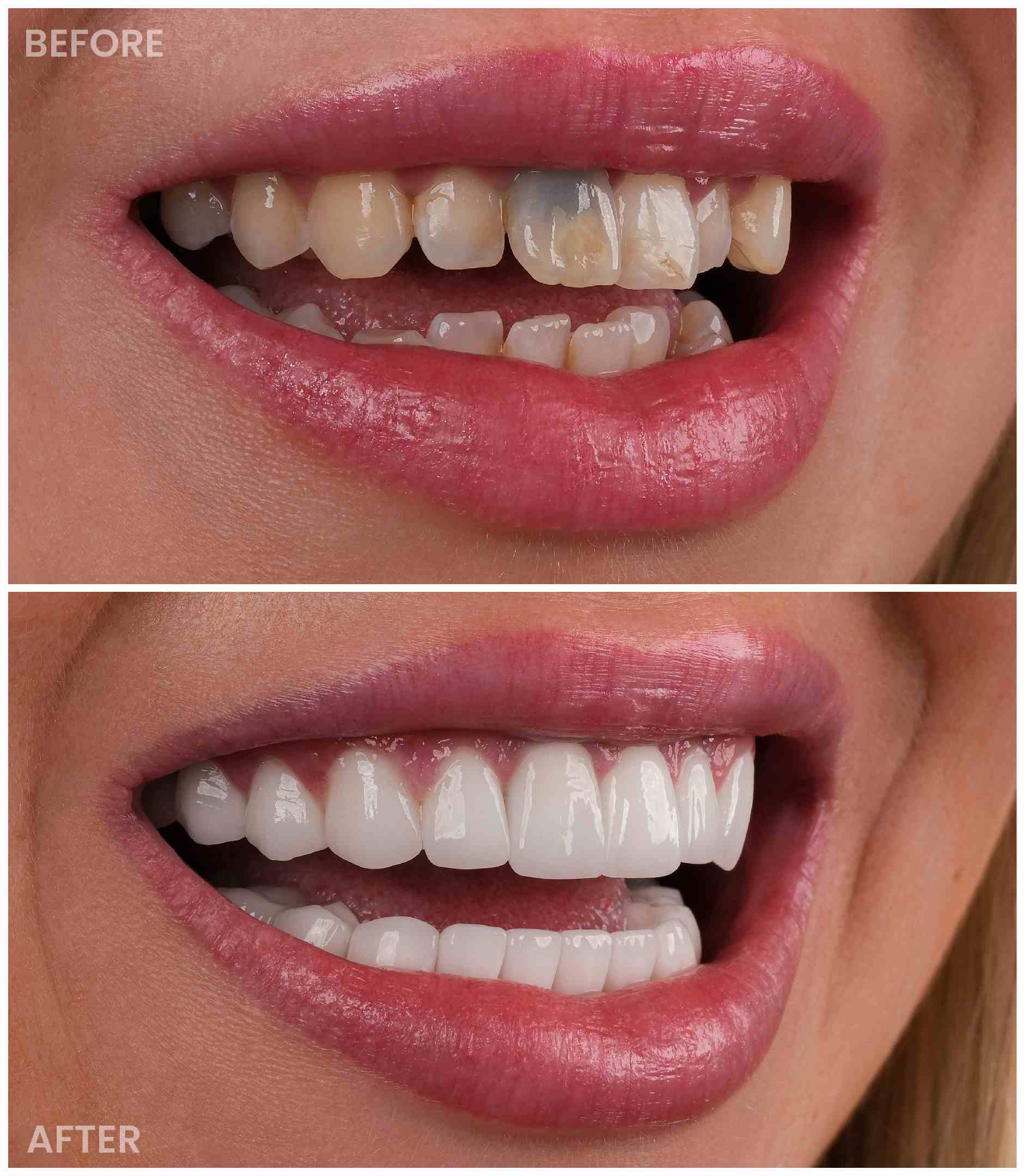
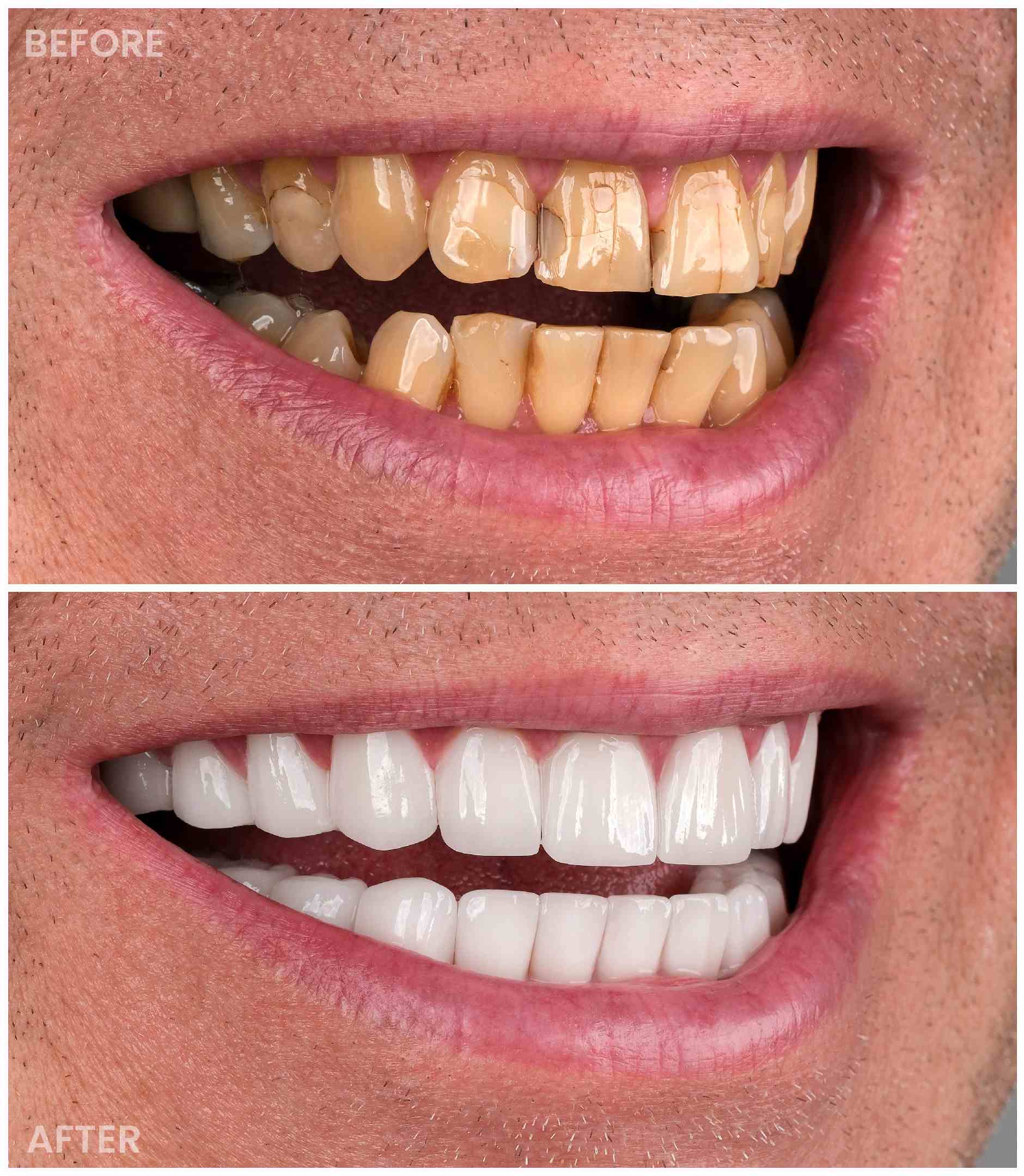
In aesthetic treatment planning, Emax crowns are often selected for smile makeovers due to their ability to reflect light naturally. This results in restorations that are difficult to distinguish from natural teeth, even under close observation.
Emax Crowns Are Particularly Suitable For
- ✓Front teeth restorations
- ✓Patients seeking highly aesthetic outcomes
- ✓Smile design and cosmetic rehabilitation cases
Emax Crowns Cost: Evaluating Clinical Value
The cost of Emax crowns varies depending on treatment complexity, laboratory processes, and clinician expertise. While Emax crowns may be positioned at a premium level, their aesthetic performance and longevity justify the investment from a clinical standpoint.
Rather than focusing solely on price, patients are advised to consider the quality of materials, digital design protocols, and the experience of the treating dentist. These factors significantly influence the final outcome.
Who Is Suitable for Emax Crowns?
Emax crowns are ideal for patients with healthy bite alignment and adequate remaining tooth structure. They are commonly recommended for individuals requiring aesthetic restorations without excessive functional load.
- ✓Teeth with cosmetic damage or discolouration
- ✓Minor fractures or worn enamel
- ✓Patients without severe bruxism
A comprehensive clinical evaluation is essential to confirm suitability and long-term predictability.
How Long Do Emax Crowns Last?
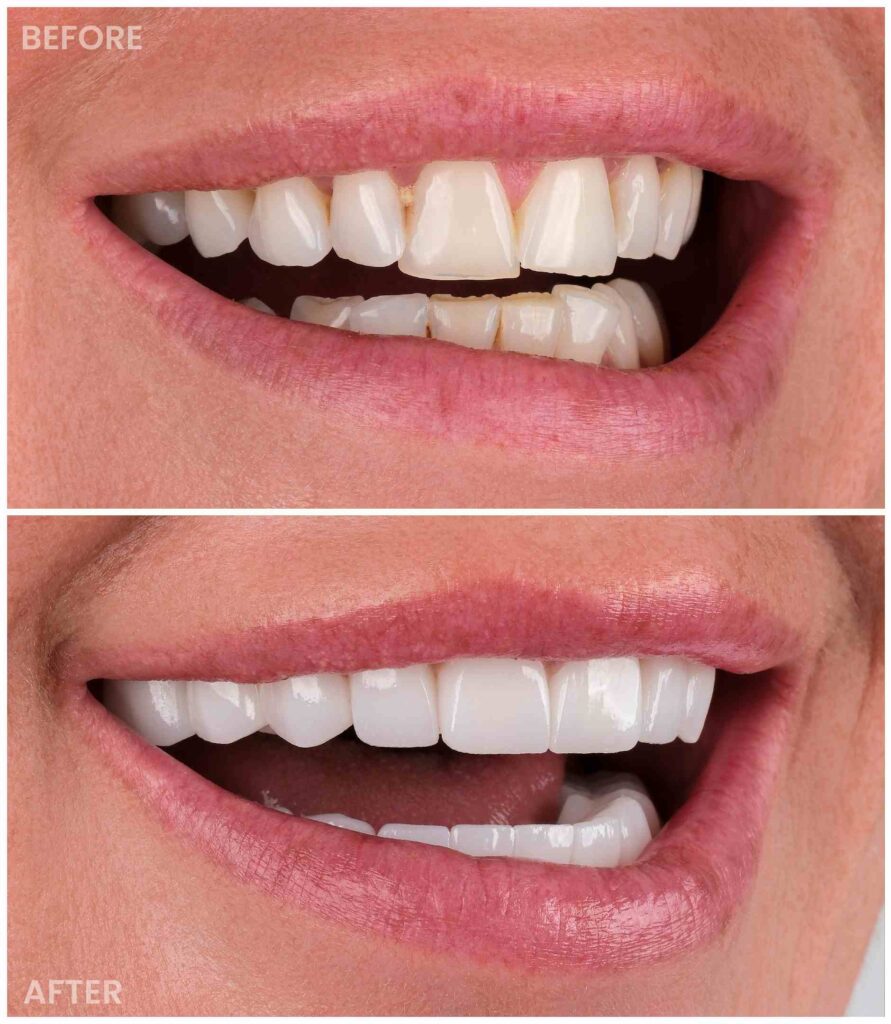
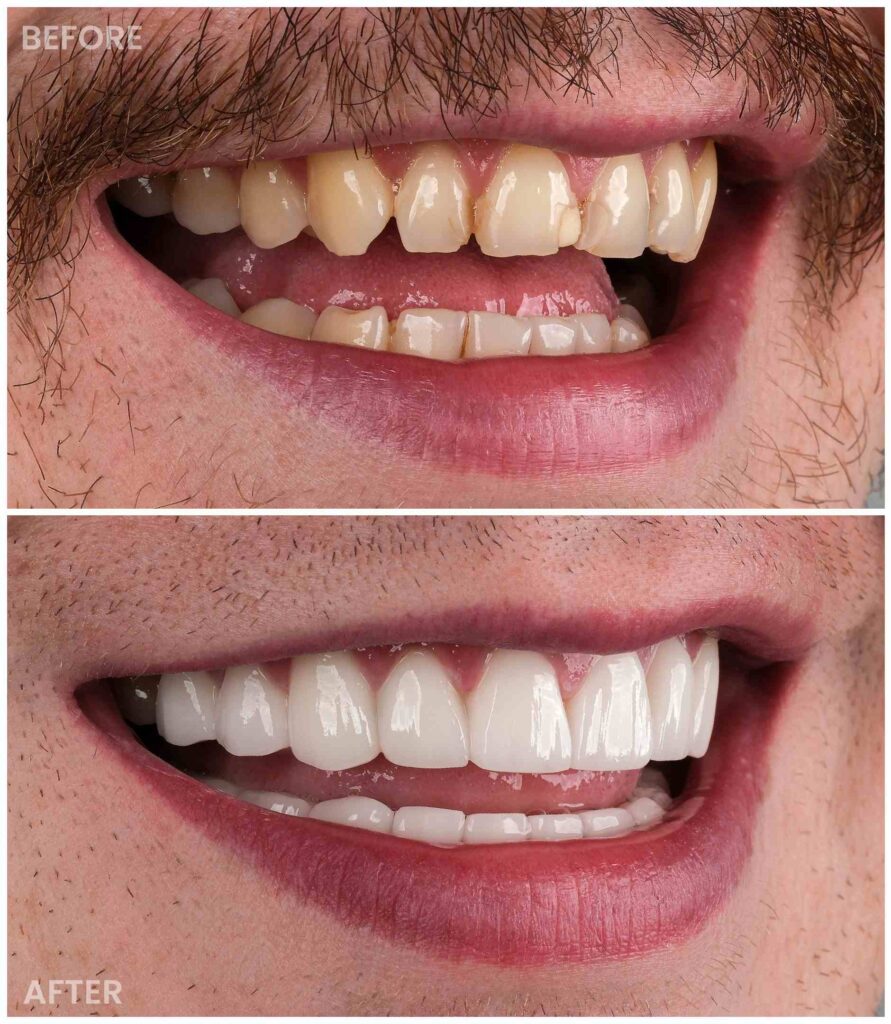
With proper oral hygiene and regular professional care, Emax crowns can last 10 to 15 years or longer. Their longevity depends on factors such as occlusal forces, oral hygiene habits, and gum health.
From a restorative perspective, adherence to maintenance protocols and routine dental examinations significantly extends the lifespan of Emax restorations.
To Maintain Emax Crown Longevity
- Practice consistent oral hygiene
- Avoid excessive biting forces
- Attend regular dental reviews
The Emax Crown Treatment Process
The treatment process begins with a detailed consultation, digital impressions, and aesthetic analysis. Tooth preparation is carried out conservatively, followed by precise digital or laboratory fabrication of the Emax crown.
Temporary restorations may be placed while the final crown is produced. Once completed, the Emax crown is bonded using advanced adhesive techniques to ensure stability and optimal aesthetics.
This structured clinical workflow supports predictable and long-lasting results.
Emax Crowns vs Other Ceramic Restorations
When compared to other ceramic options, Emax crowns offer superior translucency but slightly lower strength than zirconia. For this reason, case selection is critical in achieving optimal outcomes.
From a professional standpoint, Emax crowns are often chosen for aesthetic zones, while stronger ceramics may be recommended for posterior teeth exposed to higher bite forces.
Book an Emax Crowns Consultation
A personalised consultation is essential for determining whether Emax crowns are the appropriate solution. Through clinical examination and digital planning, dentists can design restorations that align with facial aesthetics and functional requirements.
Patients are encouraged to choose clinics that prioritise evidence-based dentistry, certified ceramic materials, and comprehensive aftercare support.
Emax Crowns – Frequently Asked Questions
1. What is an Emax crown?
An Emax crown is a metal-free ceramic dental restoration made from lithium disilicate. It is designed to closely mimic natural tooth enamel, offering exceptional aesthetics and reliable strength.2. Why are Emax crowns considered highly aesthetic?
Emax crowns have superior translucency and light-reflecting properties, allowing them to blend seamlessly with natural teeth. This makes them especially suitable for front teeth and smile makeovers.3. How long do Emax crowns last?
With proper oral hygiene and regular dental check-ups, Emax crowns typically last 10–15 years or longer. Longevity depends on bite forces, oral care habits, and overall gum health.4. Are Emax crowns strong enough?
Yes. While Emax crowns are not as strong as zirconia, they provide sufficient strength for most anterior and premolar teeth when properly planned and bonded.5. Is the Emax crown procedure painful?
The procedure is performed under local anesthesia, so patients do not feel pain during treatment. Mild sensitivity afterward is normal and usually temporary.6. What is the treatment process for Emax crowns?
The process typically includes:1. Clinical examination and digital planning
2. Conservative tooth preparation
3. Digital impressions and crown fabrication
4. Temporary crown placement (if needed)
5. Final bonding and bite adjustment